

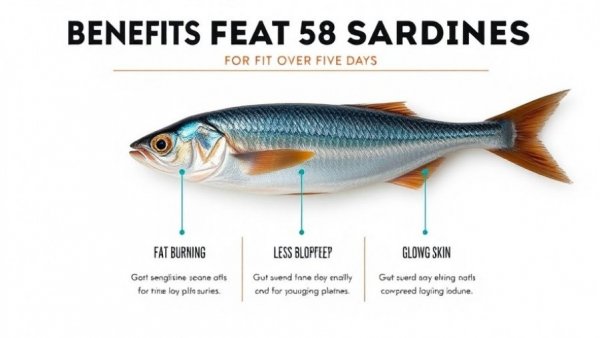
SEO Keyword: Benefits of Eating Sardines for Five Days
When it comes to health trends, eating specific foods for a set number of days can spark curiosity and concern. The idea of consuming only sardines for five days is no exception. While it may sound extreme, it is essential to explore what such a diet might offer—especially for adults aged 50 and over who are increasingly focused on optimizing their nutrition. From improving heart health to gaining essential vitamins, let’s delve deeper into the spotlight on sardines.
In 'What Happens If You Only Eat Sardines for 5 Days?', the video highlights interesting dietary choices, sparking our deeper analysis of what this means for health and well-being.
What Sardines Bring to the Table
Sardines are small but mighty fish packed with omega-3 fatty acids, which are essential for heart health and can help reduce inflammation. These nutrients are particularly beneficial for seniors, who may be more susceptible to chronic conditions. Additionally, sardines are loaded with vitamins B12 and D, calcium, and selenium, making them an excellent food choice for maintaining overall health. The fact that sardines are a sustainable source of seafood only adds to their appeal, as they contribute less to environmental strain compared to other fish.
Nutritional Profile Breakdown
Aside from being rich in vitamins, sardines also provide a substantial amount of protein. For example, just one can of sardines contains around 23 grams of protein. This high protein content could leave you feeling fuller longer, which may assist with weight management—a key component of healthy aging. Furthermore, sardines can be beneficial for bone health due to their calcium and vitamin D levels, combating age-related bone density issues that many older adults face. With all these highlights, the sardine diet might appeal to those looking to enhance their overall nutritional status.
Exploring the Health Implications
Eating sardines exclusively for five days may lead to various health changes. While the potential benefits are enticing, it's crucial to acknowledge potential nutrient deficiencies that could arise from such a restrictive diet. A balance of foods is typically recommended for optimal health. For instance, a five-day regime of just sardines may lack sufficient fiber and a variety of antioxidants found in fruits and vegetables, which are important for digestive health and overall well-being.
Potential Side Effects and Considerations
While sardines have numerous positive attributes, there are some considerations to keep in mind. Sardines are also high in sodium, which could pose challenges for those monitoring blood pressure or other cardiovascular issues. Individuals with specific health concerns, especially kidney problems or those requiring a low-sodium diet, should be particularly cautious. As always, individuals should consult a healthcare professional before embarking on significant dietary changes, especially if they have preexisting health conditions. This step can help manage risks and tailor dietary changes to personal health needs.
Real-Life Challenges and Success Stories
Many health enthusiasts have explored short-term restrictive diets like the sardine challenge. Anecdotal experiences reveal a mixed bag of results. While some report increased energy levels and improved focus, others struggle with the monotony of eating the same food every day. Stories from individuals often highlight the emotional aspects of undergoing such a diet; food is not just about nutrition; it’s also about pleasure and social connections. In fact, research suggests that sharing meals can have a positive effect on mental health, an important consideration for older adults.
Emotionally Connecting with Food
Food is often tied to our memories and experiences, creating a rich tapestry of connections that go well beyond mere sustenance. The idea of exclusively eating sardines may feel isolating or restrictive, particularly for those who enjoy shared meals and diverse flavors. Understanding this emotional connection can help manage expectations when experimenting with new dietary choices. It’s essential to find balance and incorporate variety into meals while still prioritizing health. Cooking with friends or family, even when focusing on healthier options like sardines, can make the experience more enjoyable.
Practical Tips for a Balanced Approach
If you are interested in the sardine diet, consider incorporating it into a broader eating strategy rather than relying on it as a sole source of nutrition. Try integrating sardines into salads or whole grain sandwiches for added taste and texture. Coupling sardines with fruits, vegetables, and whole grains ensures that you receive essential nutrients while still enjoying this unique dietary option. Additionally, experimenting with different cooking methods—grilling, baking, or adding sauces—can keep meals interesting and flavorful.
Final Thoughts: Is the Sardine Diet Worth Trying?
For those over 50, exploring dietary options like the sardine challenge can provide insights into nutrition and habits. The potential health benefits are enticing; however, it’s essential to approach any dietary change while being mindful of your body's needs. Consulting with a healthcare provider prior to making drastic changes can help ensure that your diet meets your health and wellness goals. Remember to consider the emotional and social aspects of eating, as these are integral to a fulfilling lifestyle. In conclusion, if you’re curious about the sardine diet, try starting with small changes that may pave the way to discovering what works best for your personal health journey.
Are you willing to take a deeper look into your nutritional choices and the potential benefits of including sardines in your diet? The journey of healthful eating is ongoing, and balancing enjoyment with nourishment is key to a healthy lifestyle, especially as we age. Embrace new flavors while ensuring that your meals also satisfy your emotional and mental well-being.







Write A Comment