

Understanding Rosacea: A Deep Dive into the Condition
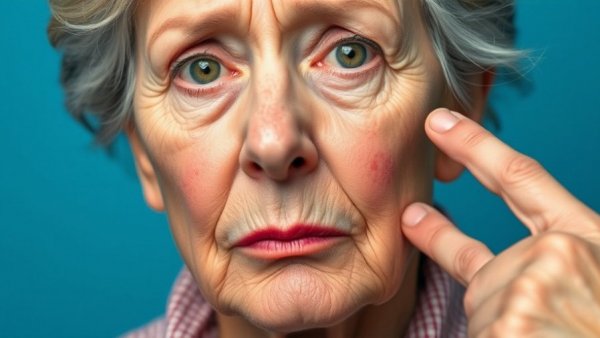
Many individuals over the age of 50 may find themselves dealing with a frustrating and uncomfortable skin condition known as rosacea. Often characterized by red, burning cheeks and a facial flush, rosacea is more than just a cosmetic issue. It’s linked to internal factors, primarily the health of the gut. When people notice their faces turning red after eating or even drinking water, they may think it’s just a skin issue. However, it goes much deeper than that. Understanding rosacea is essential not only for managing its symptoms but also for fostering overall well-being.
In 'Red Burning Cheeks? 1 Tsp of This Clears Rosacea in 30 Days,' the video highlights the connection between gut health and rosacea, prompting us to explore deeper insights into how to combat this condition naturally.
The Gut-Skin Connection: How Gut Health Influences Rosacea
Research suggests that roughly 80% of individuals suffering from rosacea also have a prevalent bacterium in their stomach called H. pylori. This bacterium can cause significant digestive issues yet remains unnoticed until health declines. The connection between gut health and skin conditions like rosacea highlights a crucial aspect of holistic health—everything is interconnected. The imbalance of gut bacteria, particularly with small intestinal bacterial overgrowth (SIBO), can exacerbate skin conditions due to the overproduction of histamines, which trigger the redness commonly associated with rosacea.
Defeating the Histamine Hike: What You Need to Know
Histamines are chemicals in the body that play a crucial role in immune response, but an excess can lead to inflammation and contribute to rash-like symptoms on the skin. Understanding your body’s histamine response can be a game-changer, especially when addressing rosacea. Individuals suffering from rosacea may notice reactions to various foods high in histamines, such as aged cheeses, fermented products, and even healthy options like avocado and spinach. These reactions can result in uncomfortable flare-ups that many people find challenging to manage, especially as they mature.
Can Antacids and Antibiotics Worsen Rosacea?
Interestingly, medications that are often deemed helpful for digestive issues, such as antacids, have a remarkable side effect—rosacea. Antacids lower stomach acidity, which can lead to a proliferation of H. pylori. Similarly, while antibiotics may provide temporary relief from symptoms, they can destabilize gut flora, leading to further issues later on. This paradox can leave people feeling trapped in a cycle of addressing symptoms without fully understanding the impact of their medications on overall health.
How to Approach Treatment: A Simple Solution
For those looking to manage their rosacea more effectively, solutions exist beyond conventional treatments. One natural remedy has shown promise: organic cold-pressed black seed oil. Studies suggest that just one teaspoon daily can help clear out H. pylori and reduce the histamine levels that contribute to rosacea flare-ups. Using such natural supplements can minimize side effects often associated with pharmaceutical treatments while providing balanced gut health. This alternative remedy aligns well with older individuals who may be seeking gentler approaches to health that complement their lifestyles.
Beyond Symptoms: Lifestyle Changes to Consider
Dietary choices significantly impact gut health and, consequently, skin conditions. Besides relying on remedies like black seed oil, it’s pivotal to avoid high-histamine food items. Replacing them with low-histamine foods such as different meats, fish, and eggs can positively affect overall health. Monitoring food intake and being mindful of gut health can empower individuals to take control of their well-being as they age. Moreover, incorporating a balanced diet helps in preventing exacerbations of rosacea, leading to improvements in skin health over time.
Recognizing Triggers and Managing Stress
Alongside dietary changes, it’s crucial to recognize other potential triggers for rosacea. Factors like stress, temperature fluctuations, and certain skin care products can aggravate the condition. Stress management techniques, such as mindfulness, yoga, or light physical activity, can play an important role in maintaining calm and minimizing flare-ups. For individuals over 50, integrating these techniques can enhance both mental and skin health dramatically.
Takeaways: Embracing a Holistic Health Perspective
As we navigate the complexities of health and skincare, understanding the underlying causes of conditions like rosacea paves the way for a holistic approach to wellness. The connection between gut health and skin conditions is evident, motivating individuals to look deeper and consider their overall health rather than just treating the symptoms. Taking steps toward a healthier gut, such as implementing dietary changes and natural supplements, is a powerful way to support skin health and overall vitality.
Embrace this enlightening journey into understanding rosacea. By taking a proactive approach that includes a focus on gut health, dietary modifications, and stress management, individuals may experience significant improvements in their symptoms. To further your knowledge about maintaining a healthy lifestyle and gut health, don’t hesitate to download our comprehensive checklist filled with tips and routines tailored for optimal health!






Write A Comment