


Is it really possible to improve your hearing naturally, or should we accept hearing loss as an unavoidable part of life? What if there were natural, science-backed strategies that could help you protect and even enhance your hearing? Let’s explore the answers together in this comprehensive guide.
Unlocking Hearing Health: Why Learning How to Improve Hearing Naturally Matters
"Can you really improve your hearing naturally, or is hearing loss simply inevitable? Let’s challenge the accepted answers and uncover transformational strategies for hearing health."
-
Introduction to hearing loss and its rising prevalence:
Hearing loss affects millions of people worldwide and is becoming more common due to aging populations, increased noise exposure, and lifestyle factors. Understanding how to improve hearing naturally is more critical than ever to maintain independence and well-being. -
The importance of early action to improve hearing naturally:
Taking steps early on—before hearing loss becomes severe—can make a significant impact. Early habits help protect the delicate auditory system, reduce the need for hearing aids, and can delay or even prevent age-related hearing loss. -
How improving your hearing can enhance quality of life:
Better hearing means more than simply understanding words—it supports your confidence, social life, cognitive health, and overall quality of life. Proactive hearing health empowers you to stay connected, engaged, and independent as you age.

What You'll Learn About How to Improve Hearing Naturally
- Natural lifestyle changes and daily habits
- Effective dietary approaches for hearing health
- Evidence-based sound and auditory training tips
- Answers to common questions on improving hearing naturally
Understanding Hearing Loss: Types and Causes
Conductive Hearing Loss vs. Sensorineural Hearing Loss
-
Definitions and distinctions of conductive hearing and sensorineural hearing:
Conductive hearing loss occurs when sound can’t efficiently pass through the outer or middle ear. This could be due to earwax buildup, infection, or issues with the eardrum or tiny bones. Sensorineural hearing loss happens when there’s damage to the inner ear or auditory nerve, typically from aging, loud noise, or genetics. Recognizing the difference helps you target strategies that work for your specific needs. -
Key symptoms and risk factors to watch for:
Symptoms can include muffled sounds, trouble distinguishing words, difficulty hearing in noisy places, or frequently asking people to repeat themselves. Risk factors range from regular exposure to loud noise to family history, certain medications, and chronic diseases such as diabetes or high blood pressure. -
Causes from loud noise exposure to genetics:
Many people develop hearing loss due to a mix of causes. Loud noise exposure can harm the inner ear’s delicate hair cells that relay sound to the brain. Genetics, repeated ear infections, and certain illnesses can increase your risk as well.
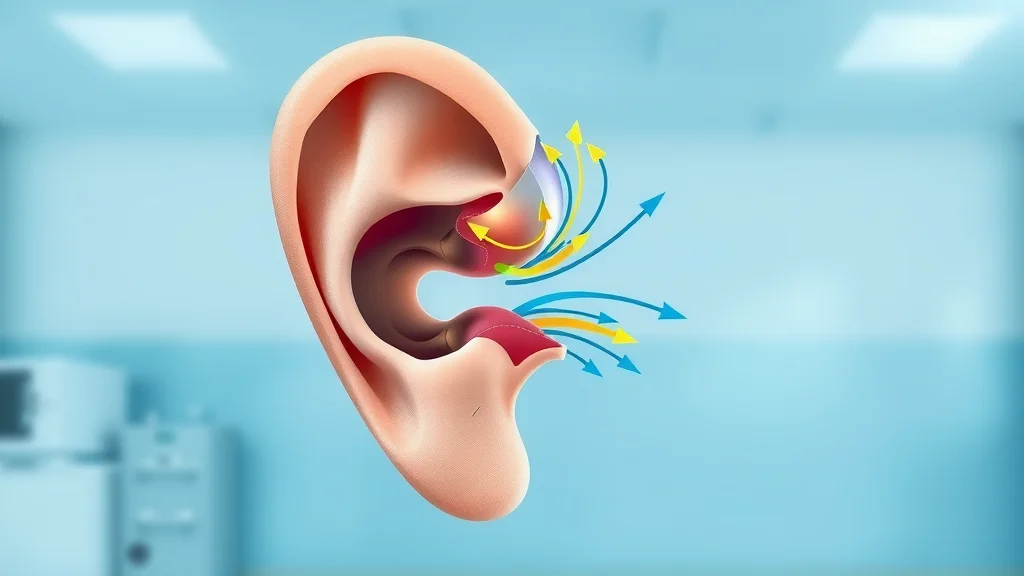
How Hearing Loss Develops Over Time
-
Impact of aging, lifestyle, and environment:
Age-related hearing loss (presbycusis) is gradual and results from wear and tear on the auditory system, especially the loss of hair cells in the inner ear. Lifestyle choices—such as noise exposure, diet, and exercise—can speed up or slow down this process. Environmental factors like chronic loud noise or untreated health conditions also make a difference. -
Early warning signs and progression:
It usually starts subtly: turning up the TV volume, struggling in busy restaurants, or missing phone calls. Over time, these issues can worsen, making it harder to communicate and enjoy daily life. Catching these early signs and taking action can slow or even prevent further deterioration of auditory function.
For those interested in a holistic approach to aging well, integrating hearing health with other aspects of senior wellness can be especially effective. You might find it helpful to explore additional natural strategies for maintaining vitality and independence as you age, as discussed in this comprehensive guide to senior health and wellness.
How to Improve Hearing Naturally: Top Evidence-Based Strategies
Diet, Nutrition, and Vitamins to Improve Hearing
-
Role of vitamins and minerals in hearing health:
Certain vitamins and minerals—like vitamins A, C, E, magnesium, zinc, and folic acid—play vital roles in protecting ear structures and improving blood flow to the auditory nerve. Deficiencies in these nutrients have been linked to increased hearing loss risk. -
Dietary patterns linked with improved hearing:
Diets rich in fruits, vegetables, whole grains, nuts, fish, and healthy oils are associated with lower rates of age-related hearing loss. These foods provide antioxidants and nutrients that help fight oxidative stress, support healthy blood circulation, and strengthen the auditory system. -
Foods that may help prevent hearing loss:
Incorporate leafy greens, berries, citrus fruits, beans, almonds, seeds, and omega-3-rich fish into your meals. These foods nourish your body and may protect the delicate hair cells that transform sound into electrical signals.
| Food | Key Nutrients | Hearing Benefits |
|---|---|---|
| Leafy Greens (spinach, kale) | Folic Acid, Magnesium | Supports blood flow to the ear and protects against oxidative stress |
| Berries & Citrus Fruits | Vitamin C, Antioxidants | Fights inflammation and protects cell health in the auditory system |
| Salmon & Oily Fish | Omega-3 Fatty Acids | Enhances blood circulation and reduces age-related hearing decline |
| Almonds & Sunflower Seeds | Vitamin E, Zinc | Helps maintain cell integrity and protect inner ear structures |
| Beans & Lentils | Iron, Magnesium | Prevents cell damage and supports healthy hearing function |

Auditory Training Techniques to Improve Your Hearing
-
At-home auditory training methods:
Practice listening to audio books, podcasts, or repeating phrases to challenge your ears. These activities help boost your brain’s ability to process and distinguish sounds, especially in noisy backgrounds. -
Digital apps and exercises for sensorineural hearing loss:
There are mobile apps and computer programs designed specifically for hearing improvement. These offer guided listening tasks, word differentiation, and sound recognition exercises to help train your brain and ears together. -
How auditory training compares to hearing aids:
While hearing aids amplify sound, auditory training aims to sharpen your natural ability to hear and interpret speech. For some, a combination of both works best, especially if sensorineural hearing loss is present.
Protecting Your Ears from Loud Noise to Prevent Hearing Loss
-
Smart habits around loud noise:
Exposure to loud noise is a major cause of preventable hearing loss. Whether you’re at concerts, sporting events, or using power tools, limit the time you spend in loud environments and take regular breaks to give your ears a rest. -
Ear protection tips for daily environments:
Carry earplugs or noise-canceling headphones when attending loud events or working in noisy areas. Even daily activities like mowing the lawn or using hair dryers can add up over time—use protection whenever possible. -
How prevention can reduce need for hearing aids:
Consistently protecting your ears lowers your risk of needing hearing aids later in life and helps preserve your natural hearing ability.

Lifestyle Changes to Prevent Hearing and Support Hearing Health
-
The link between exercise, circulation, and hearing health:
Regular physical activity boosts blood circulation throughout the body, including the tiny blood vessels in the inner ear. Improved blood flow helps maintain healthy hair cells, which are vital for sound transmission. -
Avoiding hearing loss risk factors:
Stop smoking, limit alcohol intake, and manage conditions like diabetes and high blood pressure. These actions reduce the likelihood of damage to the auditory nerve and inner ear structures. -
Managing chronic conditions for better hearing:
Work closely with your healthcare professional to control chronic illnesses that can contribute to hearing loss. Routine checkups and a healthy lifestyle complement natural hearing improvement.

Natural Remedies: Myths vs. Science
-
Overview of popular remedies for how to improve hearing naturally:
From herbal supplements to essential oils, there’s plenty of buzz about natural “cures” for hearing loss. It’s important to separate fact from fiction—many popular remedies lack scientific backing or can interact negatively with other medications. -
Evidence behind supplements and herbs:
Some supplements containing vitamins and minerals (like magnesium and folic acid) may offer support, particularly if you have a deficiency. However, there’s no strong scientific evidence for miracle cures—focus on well-rounded nutrition and expert-recommended supplements only when needed. -
What to avoid: unproven treatments:
Be wary of products promising dramatic improvements overnight. Always consult your healthcare professional before starting new remedies, especially if you have existing health conditions or take medication.
Watch a friendly audiologist demonstrate the top evidence-based techniques for naturally improving your hearing—see dietary ideas, ear protection strategies, and simple home training exercises in action.
How to Do a Hearing Test at Home Before You Start
-
Simple hearing test techniques you can try today:
Use online hearing test tools or apps designed to screen your ability to hear various tones and speech in noise. You can also ask a friend or family member to read aloud at different volumes and distances to test your response. -
When to seek a professional evaluation:
If you notice ongoing difficulties hearing conversations, ringing in your ears, or frequent need for repetition, book an appointment with a hearing specialist. Early professional assessment ensures you receive the best guidance for your unique situation.
People Also Ask: Expert Answers on How to Improve Hearing Naturally
How can I rebuild my hearing?
-
Exploring restorative options for hearing and limitations of natural restoration:
While some hearing loss—especially from conductive causes like wax—can often be reversed, sensorineural hearing loss (from damage to inner ear hair cells) is more challenging. Auditory training, nutrition, and protecting remaining hearing are key. Severe loss may require hearing aids or cochlear implants; total restoration is uncommon, but many experience noticeable improvement with natural strategies.
How to naturally fix your hearing?
-
Step-by-step daily strategies to improve your hearing naturally:
Wear ear protection around loud noises, follow a nutrient-rich diet, challenge your hearing with focused listening tasks, and stay physically active. These daily actions enhance blood flow, prevent excess damage, and strengthen auditory processing, contributing to better hearing health over time.
Can hearing be restored naturally?
-
Scientific overview on the potential and limits of natural hearing restoration:
Restoration depends on the type of hearing loss. Conductive forms may recover with simple interventions, while most sensorineural losses are permanent. However, preserving remaining function, retraining the brain, and supporting overall hearing health can yield significant improvements for many people.
Is there a way to naturally fix hearing?
-
Evidence-based insights and expert opinions:
Natural strategies are best for prevention and slowing progression. Healthy habits, good nutrition, regular hearing tests, and early response to hearing issues offer the best chance of preserving your ability to hear. For major loss, consult a hearing care professional for personalized options.
Listen to top audiologists as they discuss proactive steps and the latest science behind preventing hearing loss and improving your hearing through natural approaches.
FAQs on How to Improve Hearing Naturally
-
Can supplements improve hearing?
Some research shows that certain vitamins and minerals may be helpful, especially if you have a deficiency. However, they’re best used as part of a balanced diet—always ask your healthcare professional before adding supplements. -
Are hearing aids necessary for mild hearing loss?
Not always. Many people benefit from hearing aids, but mild cases can often be managed with lifestyle changes, protection, and auditory training. If your ability to hear is interfering with daily life, consult a hearing care professional. -
How long does it take to see results from natural methods?
Improvement timelines vary. With consistent effort, people may notice changes in a few weeks to a few months. Results depend on the cause and severity of hearing issues. -
What types of hearing loss respond best to natural improvement?
Conductive hearing loss (from wax or infections) often responds well to natural and medical treatments. Prevention and lifestyle steps can slow or halt sensorineural loss, but severe cases may require professional intervention.
Key Takeaways: How to Improve Hearing Naturally
- Natural strategies are most effective for prevention and minor hearing loss
- Early action is key to maintaining hearing health
- Combine hearing protection, nutrition, and auditory training for best results
Inspiring Quotes from Leading Hearing Health Experts
"Improving your hearing is an achievable goal for many—but it starts with informed, consistent daily action."
"Protect your hearing as fiercely as you guard your eyesight. They are both irreplaceable." – Leading audiologist
List: Daily Habits to Help Improve Hearing Naturally
- Reduce exposure to loud noise
- Eat a balanced diet rich in vitamins and minerals
- Engage in regular auditory and cognitive training
- Keep chronic conditions under control
- Use hearing protection where appropriate
- Get regular hearing tests
Conclusion: Start Your Journey to Improve Hearing Naturally
- Remember, natural steps are most effective when started early. Combine healthy habits, protection, and dietary strategies and consider consulting a professional for persistent issues.
If you’re inspired to take charge of your hearing health, consider how these natural strategies fit into your broader wellness journey. Embracing a holistic approach to senior health can amplify the benefits you experience—not just for your ears, but for your mind and body as a whole. For more in-depth guidance on living vibrantly and maintaining independence as you age, explore the full range of natural wellness insights at Elder Earth’s senior health and wellness resource. Your path to lifelong vitality starts with informed, proactive choices—let your next step be one toward total well-being.




Write A Comment