


Have you ever wondered if it’s truly possible to improve your hearing naturally—without medication, surgery, or complicated treatments? Hearing loss is a growing concern that affects people of all ages, yet many are unaware of the proactive steps they can take for healthier hearing. This comprehensive guide explores what the science says about natural methods to improve hearing. From dietary choices to simple daily habits and expert-backed strategies, you’ll find practical steps you can start today to support your hearing health for years to come.
Are There Proven Ways on How to Improve Hearing Naturally?
Wondering if you can truly improve your hearing naturally—without medication or surgery?
Break down common myths about hearing health and set the stage for data-driven steps.
When you search for how to improve hearing naturally, you’ll likely find a mix of advice, from miracle cures to lifestyle suggestions. But what really works? Although there’s no magic bullet, scientific studies and expert input reveal that targeted lifestyle modifications, healthy routines, and thoughtful nutrition can help preserve your hearing and even prevent hearing loss in some cases. This article dives into factual, actionable advice—based on proven health practices—to guide you through simple, effective ways to improve your hearing naturally, enhancing your quality of life.

What You'll Learn About How to Improve Hearing Naturally
Foundational knowledge on hearing health and hearing loss
Simple, natural lifestyle changes and practical prevention tips
Expert insights on vitamins, diet, exercises, and environmental factors
Evidence-based answers to common hearing questions
Understanding Hearing Loss: Key Concepts for How to Improve Hearing Naturally
Types of Hearing Loss and How to Improve Hearing Naturally
Sensorineural hearing loss
Conductive hearing loss
Age-related hearing changes
Hearing loss can be grouped into different categories, each with unique causes and treatment options. The two most common types are sensorineural hearing loss and conductive hearing loss. Sensorineural hearing loss is usually due to damage to the tiny hair cells inside the cochlea or to the auditory nerve; this is often age-related and called presbycusis. Conductive hearing loss stems from blockages or problems in the outer or middle ear and can sometimes be remedied medically. Understanding which type of hearing loss you have is the foundation for choosing the right treatment option—especially when seeking natural approaches to improve your hearing. Regular hearing assessments and consultations with a hearing care professional offer personalized insight into your hearing health.
“Understanding the type of hearing loss you face is crucial to selecting natural improvement options.” —Audiologist Dr. Jane Smith
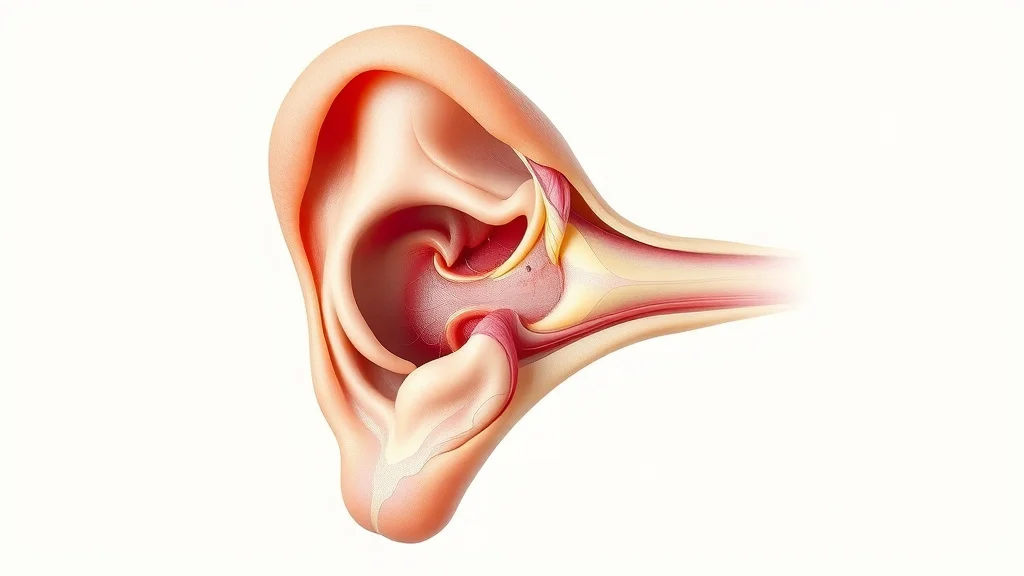
The Link Between Hearing Health and Lifestyle: Improve Your Hearing by Preventing Hearing Loss
Your daily choices have a significant impact on your hearing health. Extensive exposure to loud noise, use of ototoxic medications, neglecting ear hygiene, and poor general health can all damage the delicate structures of your auditory system. Fortunately, many natural strategies help prevent hearing loss and support healthy hearing. By adopting practical prevention routines—like managing your environment, caring for your ears, and protecting yourself from risky situations—you can often safeguard or even improve your hearing over time. Let’s explore the most influential lifestyle habits.
For those interested in a holistic approach to wellness, integrating hearing health with other aspects of senior wellbeing can be especially effective. You might find it helpful to explore additional natural strategies for aging vibrantly in our Senior Health and Wellness, Naturally resource, which covers a range of lifestyle tips that complement the hearing improvement steps discussed here.
Daily Habits That Prevent Hearing Loss and Improve Hearing
Lowering loud noise exposure
Avoiding ototoxic medications
Maintaining healthy hearing through regular ear care
Consistent protection from loud noises—such as concerts, power tools, or industrial settings—can prevent permanent damage to hair cells and the auditory nerve. Whenever possible, wear hearing protection and keep volume levels moderate, especially with headphones. Some over-the-counter and prescription medications are known as ototoxic and can accelerate sensorineural hearing loss, so check with your healthcare professional before starting new drugs. Finally, healthy ear care involves keeping ears clean and dry, but avoiding invasive cleaning or ear candling, which could cause harm. Small daily changes, like these, are a cornerstone of hearing health for all ages.
How Diet and Nutrition Can Help: Vitamins and Minerals to Improve Hearing Naturally
Nutrition plays a surprisingly important role in the strength of your auditory system. Recent research highlights the significant impact of certain vitamins and minerals in supporting healthy hearing and protecting against sensorineural hearing loss. Vitamin B12, magnesium, potassium, and zinc can reduce your risk for hearing deterioration—either by supporting nerve health, improving blood flow, or helping maintain inner ear function. Let’s look at which nutrients deserve a spot in your daily diet.
Which Vitamin Is Good for Hearing?
Vitamin B12 and folate
Magnesium and potassium
Zinc and antioxidants
Nutrient |
Food Sources |
Impact on Hearing Health |
|---|---|---|
Vitamin B12 |
Fish, eggs, dairy |
Supports nerve function, reduces risk of sensorineural hearing loss |
Magnesium |
Bananas, spinach |
Protects against noise-induced hearing loss |
Potassium |
Avocado, potatoes |
Maintains fluid in inner ear |
Zinc |
Shellfish, legumes |
Prevents age-related hearing loss |

Adding these nutrients into regular meals can help maintain healthy hearing and bolster your body’s natural defense against related hearing loss. For best results, aim for a balanced diet and consult a healthcare professional before starting new supplements. Consider these foods as foundational to your journey of how to improve hearing naturally.
Exercises and Activities for Healthy Hearing: Improve Hearing Naturally with Simple Steps
Just as physical exercise boosts blood circulation and strengthens the body, targeted auditory exercises can sharpen your hearing health. Activities that train your brain to better interpret sounds are increasingly recognized as a simple step to improve hearing naturally. Incorporate dedicated exercises into your daily routine, even at home, to support your auditory system and potentially enhance your overall quality of life.
Hearing Exercises to Improve Your Hearing
Sound focus and discrimination activities
Brain training apps targeting auditory processing
Relaxation and stress-reduction techniques
Sound focus and discrimination activities help your brain distinguish between similar sounds, tones, or words in noisy backgrounds, reflecting real-world challenges. Try closing your eyes and identifying subtle noises around you or practicing repeating phrases with increased background noise. Digital brain training apps can also enhance auditory processing, helping you adapt to different settings. Don’t underestimate the importance of relaxation—chronic stress constricts blood flow and impairs the function of hair cells and auditory nerves. Techniques like meditation and deep breathing may improve not just your hearing, but your overall sense of wellbeing.
Watch: Easy At-Home Exercises for Improving Hearing Naturally

Environmental Factors: How to Improve Your Hearing by Reducing Loud Noise and Other Risks
Noise pollution is one of the leading causes of hearing loss—but also one you have the power to control. Modern environments can expose us to hazardous loud noise through headphones, urban activities, and workplaces. Building daily awareness and using protective strategies are crucial if you want to prevent hearing loss and foster healthy hearing. Here’s what you need to know for effective self-defense against noisy environments.
Protecting Hearing Health from Environmental Hazards
Managing workplace and leisure noise
How to use ear protection effectively
Safe listening habits with headphones
Whether you work in construction, attend concerts, or frequently use power tools, your hearing health depends on limiting both the intensity and the duration of sound exposure. Always use certified hearing protection, like earmuffs or earplugs, when noise cannot be avoided. For personal listening devices, follow the 60/60 rule—no more than 60% volume for 60 minutes at a time. In leisure settings, step away from speakers or take regular breaks from loud zones. These straightforward actions can reduce your risk for both short-term and long-term related hearing loss, supporting your natural hearing for years to come.

The Role of Regular Hearing Tests in How to Improve Hearing Naturally
One important, but often overlooked aspect of improving your hearing naturally, is monitoring your progress and detecting problems early. Regular hearing tests at a hearing center or with an audiology professional establish a baseline for your hearing, help track any changes, and provide immediate feedback on your strategies. Even for younger adults, hearing assessments create a reference point for future health decisions.
Why Schedule a Hearing Test?
Early detection of hearing loss
Establishing a baseline for hearing health
Tracking improvements from natural strategies
Getting a hearing test isn’t just about detecting loss; it’s about staying proactive. By establishing your baseline hearing levels, you empower your healthcare provider—and yourself—to catch minor declines before they become serious. Regular monitoring can also show whether natural strategies, such as dietary changes or exercises, are making a measurable difference, keeping you motivated on your journey toward better hearing health. Testing is painless, quick, and one of the best investments in your overall quality of life.
When to Consider Hearing Aids or Professional Solutions for Effective Hearing Health
While many people can significantly improve hearing through natural methods, there are times when hearing aids or professional intervention are essential. Modern devices are discreet, technologically advanced, and can work alongside healthy living habits for the best results. Knowing when to seek additional help is a smart way to support your long-term hearing care.
Hearing Aids and Hearing Aid Alternatives
How hearing aids work with natural strategies
Alternatives and emerging tech for sensorineural hearing
Today’s hearing aids are more than amplification—they process sound to enhance listening comfort and clarity, often matched to the type and level of hearing loss. Some newer devices incorporate features like noise cancellation, Bluetooth, and rechargeable batteries. If recommended by your hearing specialist, they can provide a seamless bridge between environmental challenges and natural hearing. Additionally, treatments like cochlear implants and bone conduction devices are bringing new options for people with sensorineural hearing loss. Yet, even with these advanced tools, continuing natural strategies—diet, exercise, environmental awareness—further supports hearing health.

Expert Tips and Quotes on How to Improve Hearing Naturally
“Small changes—like mindful listening and balanced nutrition—can make a big difference in maintaining and improving hearing naturally.” —Dr. Samuel Lee, Hearing Health Specialist
Experts recommend a holistic approach to hearing health. Practicing mindful listening (actively focusing on sounds in your environment), eating a balanced, vitamin-rich diet, and taking precautions against loud noise all combine to create strong, natural support for your ears. Consistency matters—these tips help strengthen your natural defenses and keep you tuned into life’s important moments.
Lists: 10 Actionable Steps to Improve Hearing Naturally
Get regular hearing tests
Maintain a nutrient-rich diet
Limit exposure to loud noise
Exercise to increase circulation
Practice sound discrimination exercises
Wear hearing protection when necessary
Manage stress effectively
Keep ears clean but avoid over-cleaning
Stay hydrated
Seek early intervention for any hearing changes
Key Takeaways: How to Improve Hearing Naturally
Natural strategies can support hearing health and prevent hearing loss
Diet, exercise, and protection from environmental risks are critical
Professional evaluation enhances results
People Also Ask
Is it possible to improve your hearing naturally?
Many people can support or maintain hearing health through natural interventions like diet, exercises, and prevention—but severe hearing loss may require professional care.
How to reverse hearing damage?
Some mild hearing damage can be mitigated by lifestyle changes, reducing exposure to noise, and using supportive nutrients. However, certain types of hearing loss are irreversible.
What causes hearing loss in babies?
Genetics, infections during pregnancy, birth complications, and certain medications are common causes of hearing loss in infants.
Which vitamin is good for hearing?
Vitamins B12, D, C, and minerals like magnesium and zinc are linked to strong auditory function and are beneficial for how to improve hearing naturally.
Frequently Asked Questions about How to Improve Hearing Naturally
Can exercise really improve hearing? Yes! Exercise helps increase blood flow to the ears and brain, which can promote healthy hearing and support your auditory system.
What are the early signs of hearing loss? You may notice symptoms like needing to turn up the TV, difficulty understanding speech in crowds, or frequently asking others to repeat themselves.
Does ear candling help improve hearing naturally? Ear candling is not recommended by hearing professionals. It’s ineffective and can cause injury. Use safe, gentle ear care instead.
Are natural remedies for hearing loss safe? Many lifestyle remedies—like nutrition, exercise, and noise protection—are safe and beneficial, but always consult a healthcare professional regarding new treatments or supplements.
Explore Personalized Solutions to Improve Your Hearing Naturally
Ready to take control of your hearing health? Find expert-reviewed strategies on how to improve hearing naturally and start your journey today.
Conclusion: By embracing a healthy lifestyle, nutrition, and protective habits, you can naturally support and improve your hearing health—now and for the future.
If you’re inspired to take your wellness journey even further, consider how natural hearing improvement fits into a broader vision of healthy aging. Our comprehensive guide on senior health and wellness offers advanced insights and practical tips for living vibrantly at every stage. By connecting the dots between hearing, nutrition, movement, and mental wellbeing, you’ll unlock a more holistic approach to lifelong vitality. Explore new strategies, deepen your understanding, and empower yourself to thrive—because your best years are still ahead.




Write A Comment