

Understanding Thyroid Health: The Basics
Your thyroid, a butterfly-shaped gland located in your neck, plays a significant role in regulating your metabolism, energy levels, and overall health. For those aged 50 and over, recognizing the signs of thyroid dysfunction is vital. As our bodies age, metabolic changes can affect how our thyroid operates, making awareness of its function and potential warning signs crucial. Proper thyroid health is especially essential because it influences not only your energy and weight but also factors such as mood, skin condition, and heart rate.
In '7 Warning Signs of a Slow Thyroid You Need to Know,' the discussion dives into crucial symptoms of thyroid issues, exploring key insights that sparked deeper analysis on our end.
Seven Warning Signs of a Slow Thyroid
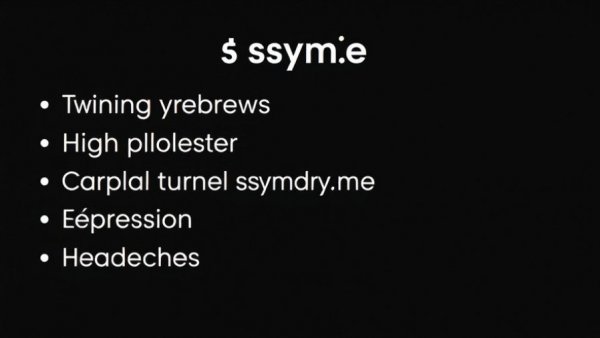
In the video, "7 Warning Signs of a Slow Thyroid You Need to Know," a series of common indicators are presented, signaling that your thyroid may not be functioning correctly. Here’s a deeper dive into these symptoms, along with some additional insights on their implications and importance:
1. Fatigue: Feeling unusually tired, no matter how much rest you get, is a prominent sign of hypothyroidism. This fatigue can differ from regular tiredness, often leaving individuals feeling drained and low on energy even after a full night’s sleep. It can affect daily life significantly, making even simple tasks feel overwhelming.
2. Weight Gain: Unexplained weight gain, particularly around the midsection, can often be attributed to a slow metabolism resulting from thyroid issues. This can be distressing, especially as many individuals attempt to maintain a healthy weight through diet and exercise. Understanding that this might not always be due to lifestyle choices can be liberating and informative.
3. Cold Sensitivity: Individuals with a slow thyroid function may find themselves more sensitive to cold temperatures, experiencing chilly hands and feet even in moderate weather. This discomfort can lead to the need for extra layers or heating, impacting comfort levels during typical daily activities.
4. Constipation: A slowdown in metabolic processes can also affect digestion, leading to constipation issues, a frustration that can worsen without proper care. This can disrupt not only physical health but also lead to discomfort and a decrease in overall quality of life, as digestive health is closely tied to how the body absorbs nutrients.
5. Depression and Mood Swings: Mental health can be deeply affected by thyroid health. A sluggish thyroid may lead to feelings of depression, heightened anxiety, and unexpected mood fluctuations, creating significant challenges in emotional well-being. Recognizing that these emotional shifts may be connected to thyroid function can empower individuals to seek help and address both their mental and physical health collectively.
6. Hair and Skin Changes: Dry skin, thinning hair, or hair loss are signs that your thyroid might need attention. These physical alterations can be disheartening and impact self-esteem. Maintaining healthy hair and skin is often viewed as an important aspect of personal identity and well-being, making these signs particularly concerning.
7. Slowed Heart Rate: A slower heart rate can signal that your thyroid isn’t producing enough hormones. If you notice that your heart rate feels unusually low, it might be time to consult a healthcare professional. Monitoring your heart rate can be something simple one can do at home, which empowers individuals to take control of their health in a proactive way.
Why Awareness Is Essential
Being attuned to these signs is especially important for individuals over 50, as thyroid issues can lead to a host of other health complications if not treated promptly. Many people might chalk these symptoms up to aging when, in fact, a simple blood test can help clarify if thyroid hormone levels are the culprit. Awareness can lead to early intervention, making a significant difference in treatment effectiveness and overall health outcomes.
Actionable Steps for Thyroid Health
If you identify with any of the warning signs mentioned, it's crucial to consult a healthcare provider. Regular check-ups and screenings can ensure that any problems are caught early. A simple TSH (thyroid-stimulating hormone) blood test is often the first step in diagnosing thyroid conditions. Additionally, incorporating a balanced diet rich in iodine can support thyroid function. Foods like seaweed, dairy, and eggs can provide essential nutrients that help maintain thyroid hormone balance. Staying hydrated and ensuring you consume adequate amounts of fruits and vegetables can also promote overall health.
Embracing Healthy Lifestyle Changes
Beyond just addressing thyroid health, making positive lifestyle changes can enhance overall wellness. Regular exercise, a balanced diet, stress management, and adequate sleep play important roles in maintaining health as one ages. Engaging in activities you enjoy—whether it's walking, yoga, or gardening—can foster physical and mental vitality. Consistency in these habits can bring about tangible benefits, including improved mood and energy levels.
Looking Ahead: Future Trends in Thyroid Health Management
As we advance, there is growing interest in personalized health management approaches. Understanding your unique health profile and the impact of genetics on thyroid health can open new avenues for proactive care. More healthcare providers are utilizing genetic testing to tailor thyroid care, allowing for targeted treatments that better match individual needs. This shift toward personalized medicine means potentially better outcomes for individuals facing thyroid-related issues.
In summary, the video "7 Warning Signs of a Slow Thyroid You Need to Know" highlights essential symptoms that should not be ignored. Increased awareness, pursuing proper medical guidance, and embracing lifestyle changes can all play pivotal roles in achieving optimal thyroid health and overall well-being. Recognizing that you have control over your health and being proactive about it is empowering.
Take Charge of Your Thyroid Health Today
Don't wait for symptoms to worsen! If you recognize any of these warning signs, take action by scheduling a visit with your healthcare provider. Prioritize your health—your body will thank you for it! Taking small steps today can lead to significant improvements in your health tomorrow. Remember, understanding your body and its signals is the first step toward a healthier life.







Write A Comment