


Startling Fact: Did you know that 1 in 9 men will be diagnosed with prostate cancer during their lifetime? This sobering statistic highlights just how common prostate problems are, yet too few men take proactive steps to maintain a healthy prostate. Whether you're already experiencing symptoms of prostate issues or simply want to protect your prostate for years to come, understanding the fundamentals of prostate health is essential for every man. In this comprehensive guide, you'll discover the secrets to maintaining a healthy prostate—from recognizing warning signs early to making lifestyle changes and exploring the benefits of reputable supplements like ProstAvive.
Startling Facts About Prostate Health: Why a Healthy Prostate Matters
Maintaining a healthy prostate is crucial—yet many men don't realize the impact their daily choices have on their prostate health until symptoms appear. The prostate is a small gland, but the stakes are big: prostate cancer is among the leading cancers affecting men worldwide. Beyond cancer, conditions like Benign Prostatic Hyperplasia (BPH) and prostatitis can greatly affect quality of life, including urinary and sexual health.
The biggest risk factors for developing prostate problems include age, family history, and lifestyle choices. In fact, men over 50 are at a significantly higher risk, especially if there's a family history of prostate cancer. Diets high in red meat and low in vegetables, a sedentary lifestyle, and certain environmental factors may all increase the risk of developing prostate cancer. Recognizing these risks and making simple, science-backed changes offer the best opportunity to protect your prostate—leading to a longer, healthier, and more active life.

"Did you know that 1 in 9 men will be diagnosed with prostate cancer during their lifetime?"
What You'll Learn About Achieving a Healthy Prostate
- How to recognize symptoms of prostate issues early
- Diet and lifestyle changes for optimal prostate health
- Evidence-based strategies to protect your prostate
- The role of supplements such as ProstAvive for a healthy prostate
Understanding Your Prostate: The Foundation of Prostate Health
The Prostate’s Function and Its Role in Men's Health
The prostate is a walnut-sized gland located just below the bladder in men. It plays a central role in male reproductive health by producing seminal fluid, which nourishes and transports sperm during ejaculation. Its importance extends beyond reproduction—changes in the prostate can affect urinary health and overall well-being. As men age, the prostate naturally enlarges, which can lead to common symptoms of prostate trouble such as increased frequency of urination, weak urine flow, and discomfort.
Maintaining a healthy prostate supports not only sexual health but also urinary function and overall comfort. Since prostate problems often develop gradually, paying attention to this small organ and understanding its functions is the first step in preventing more serious issues, including prostate cancer. Knowledge is empowering: the more you understand your body’s signals, the better you can protect your prostate as you age.
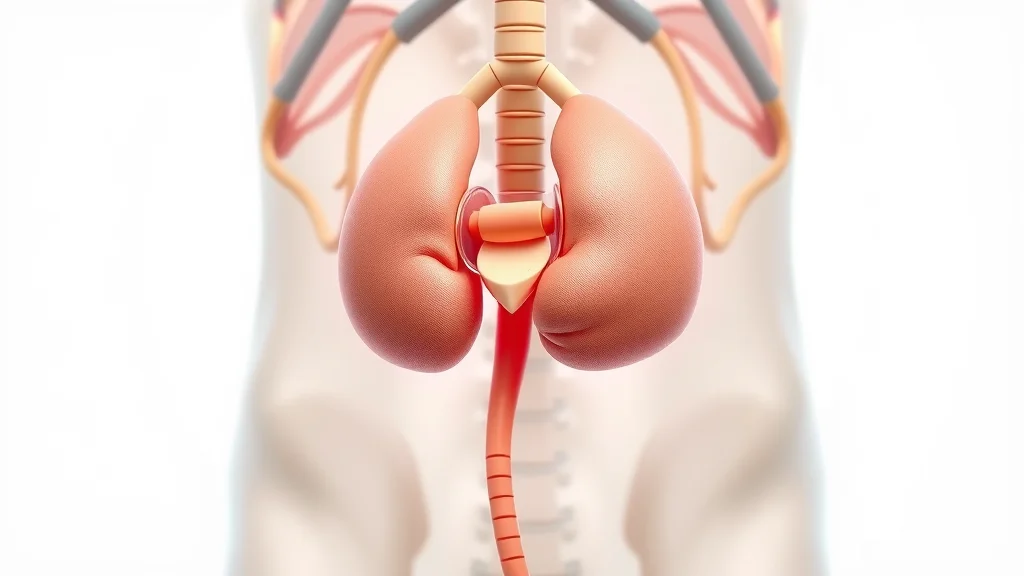
Common Prostate Problems and Symptoms of Prostate Issues
Several common conditions can impact prostate health. Prostatitis refers to inflammation of the prostate and can cause discomfort, pain, and urinary problems. Benign Prostatic Hyperplasia (BPH) is a non-cancerous enlargement that affects many older men, often resulting in frequent or difficult urination. The most concerning, however, is prostate cancer, which can remain asymptomatic in early stages but often manifests with similar urinary symptoms as BPH or prostatitis.
Understanding these conditions and recognizing the symptoms of prostate issues is critical for timely intervention. Men experiencing unusual changes in urinary habits, persistent pelvic discomfort, or difficulty with sexual function should consider these as warning signs and consult a healthcare professional promptly. Early detection is vital—treating prostate problems in their early stages improves the likelihood of a positive outcome and supports lifelong prostate health.
- Prostatitis
- Benign Prostatic Hyperplasia (BPH)
- Prostate cancer
For those interested in a more holistic approach to aging and wellness, exploring resources like Elder Earth’s senior health and wellness insights can provide additional strategies that complement prostate health routines and support overall vitality.
How to Know if Your Prostate is Healthy
Early Warning Signs and Symptoms of Prostate Trouble
Knowing the early warning signs of prostate problems can be a game-changer for your health. Symptoms of prostate issues might be subtle at first, often brushed off as minor inconveniences. These can include needing to urinate more frequently (especially at night), difficulty starting urination, a weak flow, or a feeling that the bladder doesn’t fully empty. Some men may also notice blood in their urine or semen, pelvic pain, or changes in sexual performance.
Don’t wait until symptoms become severe—responding early can make a dramatic difference. Remember, some of these symptoms can indicate a higher risk of more serious conditions such as prostate cancer. Men should commit to annual checkups, be open about even mild symptoms of prostate issues, and educate themselves about the risk factors associated with a less than healthy prostate.
Diagnostic Tools and Prostate Health Screenings
Regular prostate health screenings are the foundation of early detection. Two primary methods—PSA (Prostate-Specific Antigen) tests and Digital Rectal Exams (DRE)—help doctors catch potential problems before symptoms escalate. A PSA test measures the level of PSA in the blood, with higher levels sometimes suggesting prostate problems, including prostate cancer. The DRE allows doctors to feel the prostate for abnormal size, shape, or lumps.
Screening recommendations typically begin at age 50, but men at a higher risk—such as those with a family history or African-American men—may start earlier. Such proactive measures can lead to a reduced risk of advanced disease and better treatment options. Remember, the goal is not just to find cancer but to maintain a healthy prostate and prevent progression of any disorder.
| Screening Method | When Recommended | Benefits |
|---|---|---|
| PSA Test | Age 50+, or earlier if at risk | Detects early signs of prostate cancer |
| DRE (Digital Rectal Exam) | Age 50+, or earlier if at risk | Detects abnormal prostate size or lumps |
How to Make the Prostate Gland Stronger and Promote a Healthy Prostate
Key Nutrients and Foods for a Prostate Healthy Diet
Diet plays a huge role in supporting a healthy prostate. Research suggests that a healthy diet rich in fruits, vegetables, and whole grains may help protect your prostate. Tomatoes, which contain the antioxidant lycopene, have been linked to a reduced risk of prostate cancer. Leafy greens, berries, pumpkin seeds, and green tea provide essential nutrients and phytonutrients that promote prostate health and overall wellness.
Reducing red meat and processed meats is equally important—studies indicate that high consumption of red meats may be associated with a higher risk of developing prostate cancer. Instead, focus on healthy fats from nuts, avocados, and olive oil. Including foods high in zinc and selenium, like pumpkin seeds and Brazil nuts, may offer additional support and contribute to a robust strategy for maintaining a strong, prostate healthy diet.

Lifestyle Habits That Protect Your Prostate
Regular exercise is one of the best ways to protect your prostate and ensure optimal health as you age. Studies suggest that men who engage in at least 30 minutes of moderate activity most days of the week can reduce their risk of prostate problems, including prostate cancer. Staying active also supports healthy hormone levels and weight management, both of which lower your risk of developing enlarged prostate (BPH) or prostatitis.
Avoiding harmful habits like smoking and excessive alcohol consumption is crucial. Both have been identified as significant risk factors for a range of health problems, not least of which are various types of cancer. Maintaining a healthy body weight, getting adequate sleep, and managing stress are all foundational steps in a comprehensive prostate health strategy. Commit to these lifestyle changes, and you'll be on the path to safeguarding your prostate for years to come.
- Regular exercise
- Healthy weight management
- Avoiding smoking and excess alcohol
Supplements and Other Natural Ways to Clean the Prostate and Maintain Prostate Health
The Role of Prostate Supplements Like ProstAvive
For men seeking additional support, natural supplements can offer unique benefits for prostate health. Products like ProstAvive have gained popularity due to their carefully selected blend of nutrients and botanicals that are clinically studied for their impact on urinary function and prostate tissue health. Ingredients such as saw palmetto, beta-sitosterol, and pygeum have been extensively researched for supporting urinary flow, reducing inflammation, and promoting overall prostate wellness.
Clinical studies suggest that certain ingredients in ProstAvive may contribute to improved urinary function and a healthy prostate. By addressing inflammation and hormone imbalances, these supplements can be a valuable addition to diet and lifestyle measures. Remember: while supplements can be helpful, they work best as part of a broad approach that includes regular checkups, a prostate healthy diet, and physical activity.
"Clinical studies suggest that ingredients in ProstAvive may contribute to improved urinary function and support a healthy prostate."
Natural Practices for Prostate Health
Beyond diet and supplements, several simple, research-supported habits can help “clean” and support your prostate. Staying well-hydrated helps flush toxins and reduce the risk of urinary tract infections. A fiber-rich diet not only benefits the digestive system but also reduces inflammation that can negatively affect the prostate. Emerging evidence also suggests that regular ejaculation may help lower the risk of developing prostate problems, possibly by clearing potentially harmful substances from the prostate gland.
Even small changes, such as trading sugary drinks for water or adding an extra serving of vegetables to your meals, can create a healthier environment for your prostate. Integrate these practices into your daily routine for a proactive approach that goes beyond the basics, maximizing your chances for lifelong prostate health.
- Staying hydrated
- Consuming a fiber-rich diet
- Regular ejaculation
Watch: Animated overview of prostate health and how to maintain a healthy prostate (Video 1)
At What Age Do Prostate Problems Start and What You Can Do to Protect Your Prostate
Age-Related Risks and the Importance of Regular Screening
Age is one of the biggest risk factors for developing prostate problems. Most men begin to experience prostate changes in their 40s or 50s, with symptoms becoming more prevalent later in life. The risk of prostate cancer also increases with age—so much so that prostate cancer screening is often recommended beginning at age 50 or even younger for those with a family history or other risk factors.
Early and regular screening offers the best chance at detecting problems when they’re most treatable. Even without symptoms, men should discuss the risks and benefits of screening with their doctor as they approach middle age. Being mindful of age-related changes and proactive with health checks can make an enormous difference in outcomes, helping to catch issues before they threaten long-term health.

Proactive Steps to Achieve a Healthy Prostate at Every Age
It’s never too early—or too late—to start taking care of your prostate. Men of all ages can adopt healthy lifestyle habits, prioritize a healthy diet, stay physically active, and avoid known risk factors like smoking and excess red meat consumption. Supplements such as ProstAvive may be particularly helpful as you get older and want to support urinary health and hormone balance.
Schedule regular checkups with your healthcare provider, even if you feel well. Learn to recognize the symptoms of prostate trouble and share any concerns promptly. A blend of medical support and daily habits is the best recipe for a healthy prostate—one that can serve you well into your later years.
Key Prostate Health FAQs Answered
How to know if prostate is healthy?
A healthy prostate typically means you experience minimal or no symptoms: no frequent or urgent urination, no pain during urination or ejaculation, and no blood in urine or semen. Regular screening, such as PSA tests and DRE, can offer reassurance and spot potential problems early. If you notice changes in your urinary habits or sexual health—no matter how mild—consult your doctor promptly to stay proactive about your prostate health.
How to make the prostate gland stronger?
Strengthening your prostate starts with the basics: eat a varied, prostate healthy diet rich in vegetables, fruits, and healthy fats; exercise regularly; and maintain a healthy weight. Limiting red meats and processed foods may provide additional protection. Consider natural supplements like ProstAvive for targeted support, but rely on them as part of a holistic lifestyle strategy. Consistency with these habits can help build resilience for a strong, healthy prostate as you age.

How to clean the prostate naturally?
“Cleaning” the prostate involves supporting its natural function and reducing inflammation. Drink plenty of water, eat a high-fiber diet, and avoid environmental toxins where possible. Practices like regular ejaculation, avoiding tobacco, and consuming anti-inflammatory foods such as tomatoes, berries, and pumpkin seeds may further support prostate health. Adding supplements, such as ProstAvive with clinically studied botanicals, can complement your natural cleansing efforts for the best results.
At what age do prostate problems start?
Prostate problems can start as early as the 40s, but the risk increases significantly with age—especially after 50. That’s when the majority of men begin to experience symptoms or problems such as BPH or even prostate cancer. Proactive screening, awareness of family history, and lifestyle changes should begin early to protect your prostate and reduce the risk of long-term issues.
Key Takeaways for a Healthy Prostate
- Early action is the best defense against prostate cancer and other prostate problems
- Diet, exercise, and supplements play crucial roles in maintaining a healthy prostate
- Prostate health screenings should be part of every man’s healthcare plan
Your Next Step: Embrace Proven Strategies for Prostate Health Now
Ready to take control of your prostate health? Start implementing these actionable tips today and consult your healthcare provider about reputable supplements like ProstAvive.
Prostate health is just one aspect of a vibrant, active life as you age. If you’re eager to expand your wellness journey beyond the basics, consider exploring the broader world of natural senior health and wellness. There, you’ll find expert guidance on holistic aging, nutrition, and lifestyle strategies designed to help you thrive at every stage. By integrating these advanced insights with your prostate health routine, you can unlock new levels of energy, resilience, and well-being for years to come.




Write A Comment