


Did you know that one in three adults globally has elevated blood sugar levels—and most don’t even know it until the damage is done? If you feel uncertain about how to manage your blood sugar, you’re not alone. Unseen, high blood sugar quietly affects millions, posing serious risks—but the right information and daily steps can make all the difference. This comprehensive guide is crafted to give you clear, practical strategies for how to control blood sugar levels and protect your long-term health.
A Startling Look at Blood Sugar: The Hidden Epidemic
Opening Insights: Blood Sugar Statistics and Trends

Blood sugar concerns represent an often-overlooked health crisis. According to the American Diabetes Association, more than 1.5 million Americans are diagnosed with diabetes each year, and many more live with barely noticeable fluctuations in blood sugar levels. Globally, studies estimate that over one-third of adults have prediabetes or undiagnosed high blood glucose. The reality is stark: unchecked sugar levels can silently lead to complications ranging from nerve damage to heart disease. Understanding the scope of this issue is the first step in taking charge—whether you’re focused on avoidance, prevention, or effective daily management of your blood glucose.
“One in three adults globally suffers from elevated blood sugar levels—yet many remain undiagnosed until complications arise.”
Such statistics highlight the need for everyone—not just those with diabetes—to be proactive. Catching high blood sugar levels early and adopting healthy habits can reduce your risk of developing type 2 diabetes or other complications. Public awareness may be growing, but so is the number of people affected. This guide aims to bring actionable clarity to an all-too-common problem: how to control blood sugar levels for better health, energy, and peace of mind.
What You'll Learn: Mastering How to Control Blood Sugar Levels
- Fundamentals of blood sugar, sugar levels, and blood glucose
- Daily habits that help to lower blood sugar
- Foods and drinks to balance blood sugar levels fast
- Expert-backed strategies for people with diabetes
- How to monitor your blood sugar efficiently
This educational guide covers everything you need, whether you want to prevent a sugar spike, already have diabetes, or simply want to keep your health on track. You’ll find science-backed insights, practical lists, and expert advice on making small changes that offer big benefits for your blood sugar and overall vitality.
Understanding Blood Sugar: How to Control Blood Sugar Levels and Why It Matters
What Are Blood Sugar, Blood Sugar Levels, and Blood Glucose?
Blood sugar, also called blood glucose, refers to the amount of glucose circulating in your bloodstream at any given moment. Glucose is your body's go-to source of energy—the result of carbohydrates and certain proteins being broken down after you eat. The blood sugar level fluctuates throughout the day, especially after eating, exercising, or sleeping.
Maintaining steady sugar levels is essential. If your body cannot properly regulate blood glucose—due to insulin resistance, lack of insulin, or other factors—spikes and dips can occur. Over time, uncontrolled blood sugar increases your risk of developing chronic diseases, including type 2 diabetes, heart disease, and nerve damage. Understanding what these fluctuations mean and why they matter will empower you to make informed decisions about your diet, exercise, and daily routine.
Consequences of Unmanaged Sugar Levels
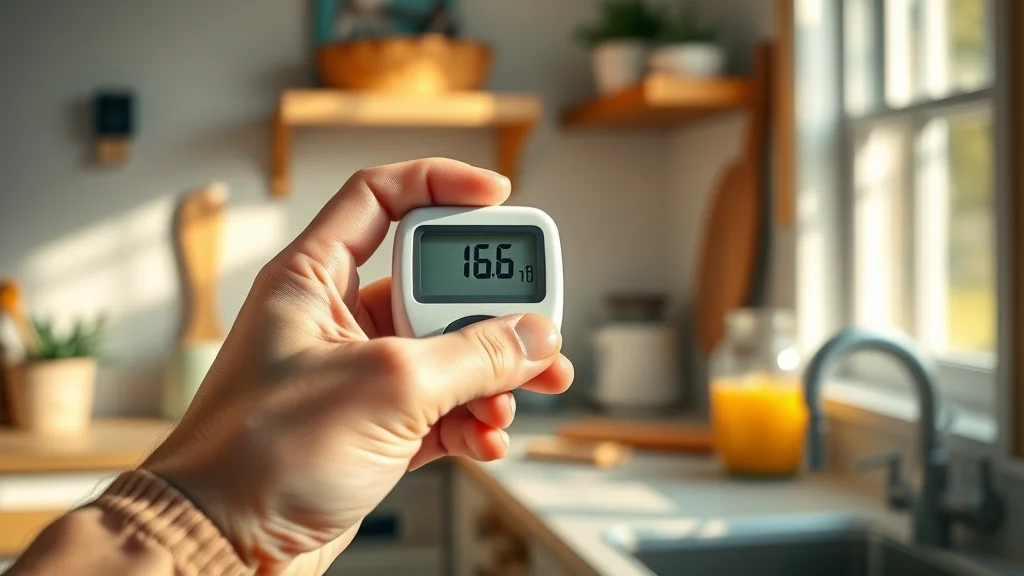
Leaving sugar levels unmonitored or unmanaged can have serious consequences. Persistent high blood sugar—also known as hyperglycemia—puts a continuous strain on your organs. Early symptoms may go unnoticed, but over time, unchecked blood sugar leads to damage in the eyes, kidneys, nerves, and heart. Increased thirst, fatigue, blurred vision, and frequent urination might be the first clues, but chronic high blood glucose can progress to life-altering complications.
Conversely, a sudden blood sugar spike—after a meal or due to illness—can cause headaches, mood swings, or even medical emergencies. People with diabetes are particularly at risk, but anyone can face these issues if daily habits aren’t balanced. That’s why learning how to control blood sugar levels is relevant no matter your age or background. Proactive management is the best defense for long-term energy, sharper thinking, and overall well-being.
Daily Habits: Effective Ways for How to Control Blood Sugar Levels
Exercise and Activity to Lower Blood Sugar

Physical activity is one of the most powerful—and accessible—tools for controlling blood sugar levels. Brisk walking, jogging, cycling, or even moderate housework all contribute to your muscles using up excess glucose for fuel, quickly lowering blood sugar. The American Diabetes Association recommends at least 150 minutes of moderate exercise weekly for adults. Not only does this help lower blood sugar quickly after meals, but routine movement also boosts insulin sensitivity, making it easier for your cells to respond to and process glucose.
But you don’t have to join a gym to see results. Simple efforts such as walking after meals, light yoga, or taking the stairs can help maintain your sugar level within a healthy range. For people with diabetes, tracking activity alongside glucose readings often reveals just how much even short walks or stretches can help stabilize blood sugar. Remember: consistency is more important than intensity. Building activity into your daily routine is key to preventing high blood sugar spikes and managing your health long term.
For those interested in a more holistic approach to daily wellness, exploring natural strategies for senior health can offer additional insights into maintaining balanced blood sugar and overall vitality. You can find practical tips and gentle routines in the Senior Health and Wellness, Naturally resource.
Stress Management and Sleep—Unseen Risks to Blood Sugar
Stress and sleep are often underestimated factors affecting your blood sugar levels. Chronic stress triggers the release of hormones like cortisol and adrenaline, which prompt the body to release extra glucose into the bloodstream—potentially causing persistent high blood sugar. Poor sleep or erratic sleep schedules amplify this problem, leading to blood sugar spikes, reduced insulin sensitivity, and more unpredictable sugar levels.
Simple daily habits—like practicing mindful breathing, meditating, or setting a consistent bedtime—can significantly lower stress and help your body manage sugar more efficiently. Good sleep hygiene and relaxation are practical, cost-free ways to protect your blood glucose. Tackling stress and sleep issues reduces your risk of developing type 2 diabetes and helps existing diabetes manage better. Balance in these areas is as important as diet or exercise for anyone focused on how to control blood sugar levels.
Food Choices: What to Eat and What to Avoid for Lower Blood Sugar
Best Foods for Lowering Blood Sugar: Evidence-Based Picks

Choosing the right foods is crucial for steady blood sugar. Nutritionists recommend focusing on foods high in fiber, lean protein, and healthy fats. Examples include non-starchy vegetables (spinach, broccoli, leafy greens), whole grains (oats, quinoa, barley), lean meats (chicken, fish), and healthy fats (avocado, olive oil, nuts). Beans and legumes are slow to digest, preventing sudden sugar spikes. Berries, apples, and citrus fruits offer vitamins without rapidly elevating blood glucose. Eating a balanced diet with proper portion sizes and avoiding foods with a high glycemic index are critical strategies.
Studies routinely show that a diet rich in high-fiber and plant-based foods supports better blood sugar level control. The American Diabetes Association especially highlights leafy greens and whole grains for their proven ability to lower blood sugar and reduce risk of diabetes. Remember to pair carbohydrates with protein or healthy fats to help slow digestion and keep your energy more stable.
Foods That Can Raise Blood Sugar Level Quickly
On the flip side, some foods cause your blood sugar to soar. White bread, sweets, soda, pastries, and sugary breakfast cereals are high in refined carbs, which the body turns quickly into glucose. These can trigger a rapid blood sugar spike. Processed foods, sweetened drinks, and foods with lots of added sugar or low fiber content can be especially harmful for people with diabetes or those at risk of developing type 2 diabetes.
Limiting these foods not only keeps sugar levels in check but also supports long-term health and energy. It’s also important to read labels for hidden sugars and to be mindful of your portion size. Small changes—like substituting white rice with brown rice or choosing unsweetened yogurt—make a tangible difference when it comes to how to control blood sugar levels.
| Food Example | Glycemic Index | Impact on Blood Sugar |
|---|---|---|
| White Bread | High (70+) | Causes quick blood sugar spike |
| Brown Rice | Medium (56-69) | Moderate impact, slower rise |
| Lentils | Low (<55) | Minimal impact, steady levels |
| Sweetened Soda | High (65+) | Rapid increase in blood glucose |
| Berries | Low (30-40) | Promotes stable blood sugar |
Best Drinks for How to Control Blood Sugar Levels
Drinks That Help Lower Blood Sugar Fast

Hydration is often overlooked, but what you drink makes a big difference in how to control blood sugar levels. Water is always the best option—the more hydrated you are, the faster your kidneys can flush excess glucose out. Studies also suggest that unsweetened herbal teas, green tea, and water infused with cucumber or lemon can be beneficial for lowering blood sugar quickly and maintaining healthy levels throughout the day.
For people with diabetes, regular water intake helps prevent high blood sugar and supports kidney function. Avoiding dehydration is one of the fastest ways to naturally reduce glucose in your bloodstream, as your system becomes efficient in removing extra sugar. Consuming drinks rich in antioxidants (like green tea) may improve insulin sensitivity and provide additional heart health benefits.
What to Avoid: Drinks That Spike Sugar Levels
Not all beverages are healthy when aiming to lower blood sugar. Sugar-sweetened sodas, energy drinks, sweetened coffee beverages, and even many packaged juices can deliver massive amounts of sugar in a single serving, causing a sugar spike that’s hard for your body to manage. Diet sodas, while often free of sugar, may still impact blood sugar through artificial sweeteners—the science isn’t settled, and responses vary from person to person.
Alcoholic beverages and high-caffeine energy drinks should also be consumed cautiously, as both can disrupt blood glucose control and dehydrate your system. For stable blood sugar levels, always opt for plain water or natural unsweetened drinks, and read labels carefully to avoid hidden sugars or additives that can sabotage your progress.
Watch a quick visual explainer: Learn how healthy food swaps, meal timing, and gentle activity like walking can help you maintain steady blood sugar. The animation shows before-and-after glucose charts, so you can see the immediate impact of choices like low-glycemic meals and daily movement. Tune in for upbeat motivation and actionable steps!
Monitoring Blood Sugar: When and How to Check Your Blood Sugar
Tips for Monitoring Your Blood Sugar at Home

Checking your blood sugar regularly is essential—whether you have diabetes or are just keeping tabs on your health. Experts recommend that people with diabetes or at high risk check their blood sugar level several times a day, especially before meals and bedtime. Home glucose meters are easy to use and give nearly instant feedback. It’s important to note patterns: Is your fasting blood sugar high? Do certain foods cause a blood sugar spike? Are your sugar levels steady after exercise?
To get the most accurate results, wash your hands before testing, keep a log of your readings, and note any changes in your diet or activity. This information can help you and your health care team develop a better plan for managing blood sugar. For some, continuous glucose monitors (CGMs) may provide deeper insights, offering alerts for sudden highs or lows. Consistent monitoring puts you in control and helps prevent unexpected health issues.
Recognizing Warning Signs: High Blood Sugar and What to Do
Symptoms of High Blood Sugar Level
High blood sugar often builds up quietly, but certain symptoms signal you need to act. These can include increased thirst, frequent urination, blurry vision, unexplained fatigue, slow-healing cuts, or a sudden surge in appetite. Over time, you may also experience recurrent infections or tingling in your hands and feet. Recognizing these warning signs is crucial, especially for people with diabetes, to avoid complications like diabetic ketoacidosis or severe dehydration.
Don’t ignore these signals; they’re your body’s way of warning you. If you notice a combination of these symptoms—especially with consistently high readings while monitoring your blood sugar—it’s time to check with your health care provider to get the right diagnosis and intervention.
Immediate Steps to Lower Blood Sugar
If you experience symptoms of high blood sugar or see an unexpectedly high reading, act fast. Drink plenty of water to help kidneys flush out excess glucose, and go for a 10–15 minute brisk walk or light activity. Avoid carbohydrate-heavy foods and simple sugars until your blood sugar returns to normal. Take any prescribed medication as directed and check your blood sugar after a short interval to track improvements.
Persistent high readings, especially if you’re feeling very unwell, require prompt medical attention. Early intervention is key for both short-term relief and long-term prevention of more serious complications. Learning how to control blood sugar levels quickly can make the difference between a minor setback and a health emergency.
People Also Ask: How to Control Blood Sugar Levels
How can I control my blood sugar quickly?
Answer: Quick-acting strategies to lower blood sugar, including activity and hydration.
To control your blood sugar quickly, engage in 10-15 minutes of moderate physical activity like walking or cycling, and drink 1–2 glasses of water to help flush excess glucose. Avoid consuming sugary foods, and check your blood sugar level again after your activity. Simple actions—exercise and hydration—are the most reliable methods for lowering blood glucose fast when needed.
What foods are good for lowering blood sugar?
Answer: List and explain foods scientifically proven to lower blood sugar levels.
Foods high in fiber, such as leafy greens, lentils, beans, and whole grains, are best for lowering blood sugar levels. Protein sources like salmon, eggs, and lean meats, along with healthy fats from avocado and nuts, help slow glucose absorption and maintain steady sugar levels. Consuming berries, citrus fruits, and non-starchy vegetables can also improve blood glucose management and overall metabolic health.
How can I flush sugar out of my system fast?
Answer: Discuss natural methods to accelerate glucose clearance.
Increase your water intake and engage in light to moderate movement. These strategies help your kidneys eliminate excess blood sugar and encourage your muscles to use glucose for energy. Natural methods like staying well-hydrated while walking, stretching, or practicing yoga are some of the most effective ways for your body to balance out elevated blood sugar levels quickly and safely.
What is the best drink to lower blood sugar?
Answer: Highlight expert-recommended beverages for rapid sugar control.
Water remains the top choice for lowering blood sugar fast. Unsweetened green tea or herbal teas offer added benefits, such as improved insulin sensitivity and antioxidant support. Infused water with lemon, cucumber, or mint is not only refreshing but also encourages increased hydration—crucial for efficiently flushing out excess glucose and managing sugar spikes.
Key Takeaways: Essential Steps for How to Control Blood Sugar Levels
- Monitor regularly to maintain healthy blood sugar levels
- Adopt a balanced diet targeting low glycemic foods
- Exercise routinely for effective blood glucose control
- Limit high-sugar drinks and snacks
- Seek professional advice if you have diabetes
FAQs on How to Control Blood Sugar Levels
How often should blood sugar levels be checked for people with diabetes?
People with diabetes should check your blood sugar as often as recommended by their health care provider, commonly before meals, after meals, and at bedtime. This helps spot trends, prevent extreme highs and lows, and guide effective management. Every person’s target range and frequency will differ, so consult your care team for personalized advice.
Can stress cause fluctuations in blood sugar level?
Yes—stress can cause fluctuations in blood sugar level. Stress hormones increase glucose release and reduce insulin effectiveness, often resulting in higher blood sugar. Managing stress through mindfulness, regular exercise, and adequate sleep supports steady sugar levels and overall well-being.
Do artificial sweeteners affect blood sugar levels?
Artificial sweeteners generally don’t raise blood sugar in most people, but some studies show they might impact insulin response or gut health in certain individuals. It’s best to consume them in moderation and monitor your reaction—especially if you notice a change in blood glucose or overall wellbeing.
Conclusion: Take Charge of Your Health—Explore Trusted Solutions for Blood Sugar Level Control
Take small steps today to gain control of your blood sugar levels and safeguard your future. For the most effective solutions, explore trusted resources and products—click these links to discover more ways to stabilize your health and feel your best!
Watch inspiring testimonials from people with diabetes and see how simple changes in food, activity, and daily routines led to steady blood sugar and better health. Discover what worked for them and how you can try their proven tips!
If you’re ready to take your wellness journey further, consider exploring the broader landscape of healthy aging and natural self-care. The Senior Health and Wellness, Naturally guide offers a wealth of information on holistic practices, gentle routines, and lifestyle adjustments that support not only blood sugar balance but also overall vitality as you age. Dive deeper into these resources to unlock new strategies for lifelong health and empowered living.




Write A Comment