

Understanding Natural Immunity Boosters: A Comprehensive Approach
When it comes to boosting our immune systems, many of us are drawn to the latest fads in health products, believing that a single supplement could work miracles. However, a closer look at the evidence reveals a more nuanced truth: natural immunity boosters are often reflected through lifestyle choices rather than quick fixes. The key elements to enhancing immunity include sleep, regular physical activity, and a varied diet rich in essential nutrients. A well-rounded approach that emphasizes these aspects can equip our bodies with the tools needed to fend off illness more effectively.
The Roots of Immunity: Vital Lifestyle Choices
Research kicks off by emphasizing that adequate sleep plays a pivotal role in immune health. Studies show that individuals who do not get sufficient restorative sleep are more prone to infections. The Centers for Disease Control and Prevention (CDC) recommends at least 150 minutes of moderate-intensity aerobic activity every week. This activity helps to stimulate the immune system and alleviate stress, thus narrowing the risk of chronic diseases. Consider aerobic exercises like brisk walking or cycling, which not only boost your stamina but also enhance heart health. Pairing exercise with a well-rounded diet and ensuring the correction of specific nutrient deficiencies forms the backbone of effective immune support.
Key Nutrients: Vitamin D, Zinc, and Vitamin C
Among the myriad of nutrients, Vitamin D, Zinc, and Vitamin C stand out for their compelling evidence in supporting immune function. Vitamin D, shown to mitigate upper respiratory infections, is fat-soluble, meaning that levels can accumulate in your body. Hence, testing your Vitamin D levels before supplementing is essential, particularly in regions with less sunlight exposure. Zinc, while crucial, can negatively impact copper levels when taken in high doses over extended periods, making moderation key. As for Vitamin C, it has long been celebrated for its roles in immune responses—notably in the formation of collagen and as an antioxidant to combat oxidative stress.
The Role of Supplements in Immunity: A Supporting Actor
While supplements certainly have a place in health and wellness routines, they should complement, not replace, healthy lifestyle practices. The majority of health experts agree that no supplement can entirely prevent or treat COVID-19, despite claims made in the marketing world. Moreover, excessive vitamin intake can pose health risks rather than benefits. It’s essential to approach supplementation with caution, guided by advice from healthcare professionals. Engaging your doctor can help customize an approach to your supplementation needs, ensuring that you’re not inadvertently exceeding recommended doses.
The Importance of Nutrition: Food as Medicine
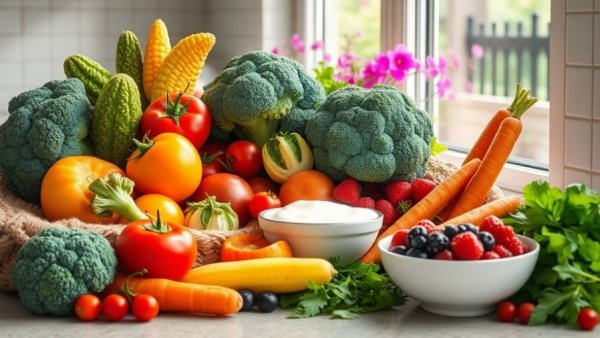
What we eat plays an enormous role in immune health. The Mayo Clinic suggests that adults should aim for 5 to 9 servings of fruits and vegetables daily. These foods provide vital vitamins, minerals, and antioxidants that fortify our body's defenses against illness. Incorporating a variety of colors on your plate not only makes meals more appetizing but serves as an arsenal for nutrient diversity. Local farmers’ markets can be a great resource for fresh, seasonal produce, which is often more nutritious than off-season fruits and vegetables shipped from afar. Connecting with your community through these markets can also enhance your local economy.
Stress Management and Immunity: The Hidden Connection
Stress is a silent enemy of the immune system, contributing to an underactive response over time. Engaging in regular exercise, practicing mindfulness, and finding moments for relaxation nurture both mental health and immune resilience. From yoga sessions to quiet meditation, the methods to alleviate stress are plentiful and effective. Explore local classes and workshops that focus on stress reduction techniques; they can equip you with valuable skills to integrate into your daily routine. Furthermore, sharing these practices with friends or family can strengthen social bonds while supporting each other in wellness journeys.
The Gut-Immune Connection: A Journey of Discovery
The gut-immune axis is a burgeoning field of research that highlights how gut health profoundly impacts immunity. A healthy gut microbiota can enhance immune responses and protect against pathogens. Probiotics may aid in maintaining this balance, emphasizing the need for a diet that supports digestive health. Foods like yogurt, kombucha, and dietary fiber-rich fruits and vegetables can promote gut health. Consider exploring local food co-ops or community-supported agriculture (CSA) programs, which can provide access to organic, gut-friendly products and foster a sense of community connection.
Dispelling Myths: The Truth About Immunity
With information overload, it’s crucial to separate fact from fiction in our journey to understanding immunity. Common myths, such as the idea that one magical food or supplement can boost your immune system overnight, can lead to disappointment and misinformation. Instead, focus on consistent and balanced health practices, including maintaining healthy relationships and engaging with your community, as these can also impact emotional well-being and, indirectly, immune function. Understanding that health is a lifelong journey can help set realistic expectations.
Empowering Your Health Decisions with Knowledge
Equipped with insights about the real factors affecting immunity, readers are encouraged to adopt a proactive approach to their health. Engage your healthcare provider in conversations about nutrition and lifestyle choices tailored to your needs. From exploring the benefits of naturopathic interventions to local health and wellness events in your community, the possibilities for enhancing overall well-being are vast. Establishing an open dialogue with health professionals can lead to better health outcomes.
Your Path Forward: Embrace Natural Health
As you journey towards optimal health and wellness, remember that small, sustainable changes yield the most significant results. Seek out community programs focused on health and wellness in San Antonio and get involved in local initiatives promoting healthier living—together, we can create a vibrant community of well-being. These grassroots efforts can not only enhance individual health but can also strengthen community ties, fostering a collective commitment to better health practices. By participating, you not only empower yourself but also support those around you in their journey towards better health.







Write A Comment