

Did you know that nearly one in eight men will be diagnosed with prostate cancer during their lifetime, yet more than half of these cases may be prevented with small daily changes? Unlocking the secret to a healthy prostate may be easier than you think. In this educational guide, we deliver the science-backed steps, expert advice, and proven supplement support to help every man prioritize his prostate health—starting today.

Startling Facts: The Reality of Achieving a Healthy Prostate
When it comes to achieving a healthy prostate, the numbers are both astonishing and motivating. Studies suggest that men who maintain a healthy weight and regularly engage in physical activity cut their risk of developing prostate cancer nearly in half compared to those who neglect these habits. Yet, too many overlook early symptoms of prostate problems until challenges with urinary health or discomfort prompt a visit to the doctor. The prostate gland itself can seem mysterious, but understanding its significance is critical for men of all ages, especially since the risk of prostate issues increases with age, lifestyle, and genetics. This guide offers practical insights on how to protect your prostate, minimize risk factors, and avoid common mistakes that many men make regarding their prostate health.
Early action is key. Men over 50, those with a family history of prostate issues, and individuals carrying extra weight face a particularly higher risk of developing prostate conditions—including prostate cancer—yet proactive steps such as strength training, dietary shifts, and preventive screening have huge payoffs. By learning the warning signs, such as changes in urinary flow or persistent lower abdominal discomfort, you place yourself in control. This guide will dive into symptom recognition, prevention strategies, lifestyle adjustments, and the role of targeted supplements for keeping your prostate healthy and strong for years to come.
Why Prostate Health Matters for Every Man
For every man, prioritizing prostate health is not just about avoiding disease—it's about sustaining overall wellness, energy, and quality of life. The prostate gland plays a vital role in hormone metabolism and reproductive health, with disturbances impacting everything from urinary flow to sexual function. As men age, the chances of encountering prostate problems—from benign enlargement to potentially life-threatening cancer—increase dramatically. Understanding the impact of regular exercise, a healthy diet, and the avoidance of risk factors such as red meat, tobacco, and sedentary habits can keep your prostate healthy and dramatically reduce your long-term health risks.
What you do today matters. The sooner you take steps to protect your prostate, the greater your odds of avoiding invasive treatments and living with confidence. That’s why our guide focuses on informative, practical ways every man can ensure his prostate remains healthy, from easy dietary changes to incorporating supplements like ProstAvive and scheduling regular checkups with a healthcare professional. Let’s dive into what you’ll learn, and how these changes can make a difference.
What You'll Learn from This Healthy Prostate Guide
- The basics of prostate health and common risk factors
- How strength training and lifestyle impact a healthy prostate
- Early symptoms of prostate and how to identify problems
- Natural ways to protect your prostate and maintain a healthy weight
- How to choose supplements like ProstAvive for enhanced prostate health
Prostate Health Explained: Anatomy, Functions, and Importance
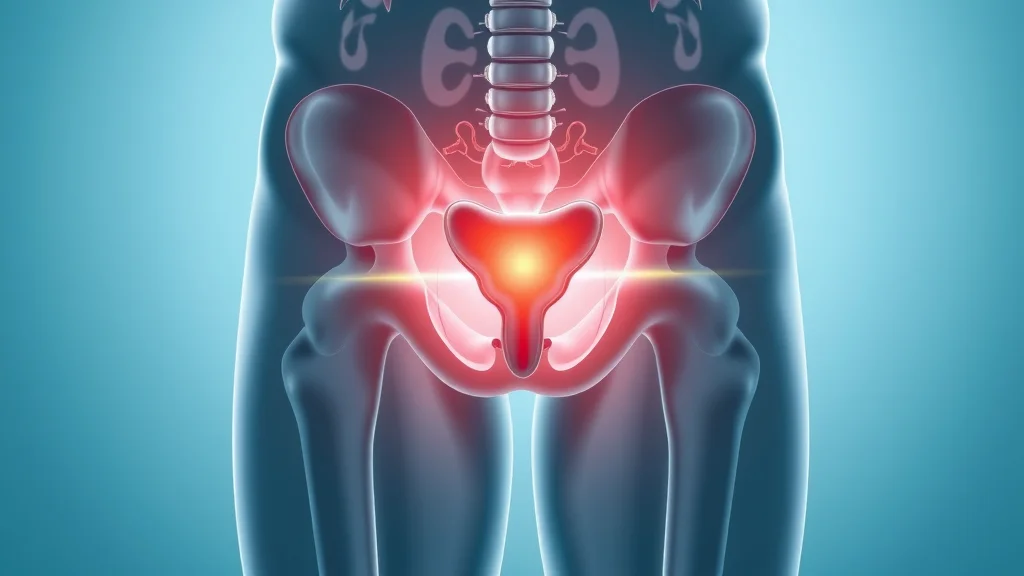
Understanding the Healthy Prostate and Its Role
The prostate gland is a small, walnut-sized organ that sits below the bladder and surrounds the urethra in men. While small, the prostate is responsible for vital functions. It produces seminal fluid that nourishes and transports sperm, ensuring male fertility. But its responsibilities don’t end there—recent research highlights how a healthy prostate influences hormone metabolism, particularly the way testosterone operates within the male body. This, in turn, affects energy, mood, and reproductive health.
Maintaining a healthy prostate isn't just about focusing on one area of your health—it links directly to urinary control, sexual wellbeing, and long-term cancer prevention. From controlling the smooth flow of urine to supporting overall hormonal balance, the prostate deserves care and attention at every stage of life. A deeper understanding of how it functions makes taking preventive measures—like adopting a healthy diet, exercising, and considering supplements such as ProstAvive—all the more important for holistic male health.
| Function | Description |
|---|---|
| Produces seminal fluid | Nourishes and transports sperm |
| Hormone metabolism | Affects testosterone actions |
| Urinary health | Controls flow and continence |
Recognizing Symptoms of Prostate Problems: Early Warning Signs
What Are the First Signs of Prostate Problems?

Early symptoms of prostate problems often go unnoticed or are mistaken for normal aging—making education and awareness critical. The first signs can include increased frequency or urgency in urination, especially at night, difficulty starting or stopping the urine stream, weak or interrupted flow, and a persistent feeling of incomplete emptying. Some men may experience discomfort or a dull ache in the lower abdomen, pelvis, or lower back, which can indicate an enlarged prostate or even signal the early stages of more serious conditions.
Being able to identify these symptoms early allows for prompt diagnosis and intervention—potentially preventing the progression to more severe prostate issues or even prostate cancer. Researchers have repeatedly found that men who recognize and act on these early warning signs enjoy better outcomes and require less invasive treatments.
Never ignore changes in your urinary or reproductive health. Even if symptoms are mild, consult a healthcare provider to discuss your risks and the next best steps.
For those interested in practical, everyday steps to support prostate wellness, exploring natural approaches to senior health can offer additional guidance. You can find more actionable tips and holistic strategies in the Senior Health and Wellness, Naturally resource.
Can You Tell If You Have a Healthy Prostate?
While symptoms like those above can be a red flag, it’s true that a healthy prostate often goes “unnoticed.” In other words, you shouldn’t feel any pain, discomfort, or changes in urinary function. A healthy prostate supports normal urination, regular sexual function, and balanced hormone levels—without any sensation of pressure or disruption. Men who maintain a healthy weight, eat a diet rich in fruits and vegetables, and get regular exercise tend to report better prostate health over time, with fewer complications.
Routine checkups, including digital rectal exams and PSA testing, remain the gold standard for verifying prostate condition. Speak honestly with your doctor about your family history, lifestyle, and any subtle changes you notice. This proactive approach is your best tool for protecting your prostate and catching problems early.
Major Risk Factors for Prostate Cancer and Prostate Health
Family History, Age, and Lifestyle Factors
- Genetics and family history
- Age over 50
- Obesity and unhealthy weight
- Sedentary lifestyle

Certain risk factors bring a much higher risk for developing prostate cancer and other prostate issues. Genetics is a major one—if your father or brother had prostate cancer, your risk doubles. Age is equally significant, with men over 50 facing an incremental increase in risk each year. Carrying extra weight or living an inactive lifestyle compounds the likelihood of prostate and other metabolic diseases. In fact, studies suggest obesity is tied directly to more aggressive prostate cancer cases, alongside other health complications.
Lifestyle choices matter. Diets high in red meat, low in fruits and vegetables, and lacking adequate physical activity have been scientifically linked to negative outcomes for prostate health. By recognizing and actively addressing these risk factors—through weight management, regular strength training, and smart dietary patterns—you substantially reduce your risk of facing serious prostate challenges in the future.
How to Achieve a Healthy Prostate: Step-By-Step Lifestyle and Prevention
Strength Training, Healthy Weight, and Prostate Health

One of the most effective ways to keep your prostate healthy is by maintaining a healthy weight and regularly engaging in strength training. Studies consistently show that men who participate in moderate-to-intense physical activity—especially those who include resistance (weight) training—experience fewer prostate issues and a significantly lower risk of developing prostate cancer. Just 150 minutes of moderate activity per week, including walking, swimming, and weightlifting, can foster a healthier metabolism, balance hormone levels, and decrease inflammation—all known contributors to prostate disease.
Physical activity also improves blood flow to the pelvic region, aiding in the prevention of benign prostatic hyperplasia (BPH) and supporting urinary function. Not only does a commitment to strength training help you maintain a healthy body weight (which lowers your risk), but it also enhances energy, mood, and overall quality of life. Integrating exercise into your daily routine, including yoga or flexibility work, further reduces stress and bolsters immune function, creating an environment where your prostate gland can thrive.
Nutrition Tips for Protecting Your Prostate
- Foods that promote prostate health
- Dietary practices for a healthy prostate
A healthy prostate begins in the kitchen. Research highlights the crucial link between nutrition and prostate health, with certain foods standing out for their protective effects. Prioritize fruits and vegetables—especially those rich in antioxidants like tomatoes (lycopene), cruciferous vegetables, berries, and leafy greens. Replace high-fat meats and processed snacks with plant-based proteins, omega-3-rich fish (like salmon), nuts, seeds, and whole grains for better metabolic support and reduced inflammation.
Dietary practices for a healthy prostate also involve avoiding excessive red meat, sugary beverages, and processed foods, all of which have been linked to a higher risk of prostate cancer in numerous medical studies. Limiting dairy intake and choosing organic foods where possible can further benefit your prostate. Staying well hydrated and moderating alcohol use promotes urinary tract health, while portion control and regular meals help maintain a healthy weight. By making these manageable changes, you empower your body to stay resilient against prostate problems for years to come.
Supplements for Prostate Health: The Benefits of Products Like ProstAvive
How ProstaVive and Other Natural Supplements Support a Healthy Prostate
"Maintaining a healthy prostate is a lifelong pursuit, but natural supplements can provide key nutritional support through critical life stages." – Dr. Carter

Many men seeking additional protection—especially those at higher risk due to age or family history—explore natural supplements as part of their healthy prostate routine. Formulations like ProstAvive combine science-backed herbal extracts (such as saw palmetto, pygeum, and beta-sitosterol), antioxidants, vitamins, and minerals tailored to support prostate function and reduce inflammation. These supplements not only help ease mild urinary symptoms but may also support hormonal balance, immune health, and antioxidant defense.
Unlike pharmaceutical interventions, which often focus on symptom management, high-quality prostate supplements deliver nutrients that address the root causes of inflammation, oxidative stress, and cellular dysfunction in the prostate gland. Emerging research indicates that ingredients found in ProstaVive and similar products can simultaneously protect your prostate, preserve urinary health, and bolster the body's natural defenses. Incorporating a proven supplement—used alongside lifestyle improvements and routine medical checkups—offers a practical, holistic strategy for achieving and maintaining prostate health at any age.
Prostate Cancer: Symptoms, Prevention, and Treatment Options
How to Reduce Your Risk of Prostate Cancer
- Screening and early detection
- Healthy lifestyle interventions
- Supplements and medical advice
Preventing prostate cancer starts with awareness and action. Screening tools—such as the prostate-specific antigen (PSA) test and digital rectal exam—can catch abnormalities early, increasing the effectiveness of subsequent cancer treatment. Men at higher risk should discuss appropriate screening intervals with their doctor, especially after age 50 or sooner if there's a family history. Adopting healthy habits—consistent physical activity, a plant-rich diet, and maintaining a healthy weight—greatly reduce your chance of developing prostate cancer.
Supplements like ProstaVive may provide additional benefit by reducing inflammation and oxidative stress—two major processes involved in cancer development. However, no supplement replaces professional common-sense medical care. Always consult your healthcare provider about combining supplements with other preventive strategies to ensure you’re getting the most comprehensive protection for your prostate health.
Understanding Prostate Cancer Treatment and Recovery
If you’re diagnosed with prostate cancer, modern cancer treatment strategies have never been more promising. Options range from active surveillance in low-risk cases to surgery, radiation, hormone therapy, and more advanced interventions. The goal of each approach is to eliminate or control the cancer while maintaining the best possible quality of life, including sexual and urinary function. Your treatment plan will depend on the stage and aggressiveness of the tumor, your overall health, and your personal preferences.
Recovery after prostate cancer treatment varies. Many men resume normal activity within weeks, while others may require support for managing side effects such as fatigue, incontinence, or sexual concerns. This is where lifestyle and supplement support—such as exercise, dietary improvements, and ProstaVive—can help optimize your recovery and long-term wellbeing. Ongoing follow-up care, including routine PSA testing, is essential for early detection of any recurrences and for long-term success in beating prostate cancer.
How Can You Improve Prostate Health? [PAA]
Expert Strategies and Best Practices for a Healthy Prostate
Improving prostate health isn’t a one-time effort—it’s an ongoing, proactive process. Experts agree that achieving a healthy prostate means regular exercise (with weekly strength training), maintaining a healthy weight, and eating a balanced diet rich in fruits and vegetables and healthy fats. Reducing stress, drinking plenty of water, and limiting your intake of alcohol and processed foods are equally important for sustaining prostate function. Avoiding tobacco in all forms dramatically decreases the risk of prostate and other cancers.
Smart supplementation—including formulas such as ProstaVive—offers targeted nutrients your body needs to protect and nourish your prostate. But to maximize results, combine these best practices with regular physician check-ins and annual screenings after age 50. By making health your priority now, you lay the foundation for a vibrant, active life for years to come.
How Can You Tell If Your Prostate Is Healthy? [PAA]
Recognizing the Signs of a Healthy Prostate
A healthy prostate is almost silent in the body—meaning you don’t typically experience symptoms. You’ll urinate with ease, enjoy normal sexual function, and won’t notice discomfort in your lower abdomen or pelvis. Medical checkups, including physical exams and PSA tests, provide reassurance of your prostate status, but you shouldn’t ignore even the slightest new changes in urinary patterns, frequency, or flow. Staying in tune with your body and maintaining open communication with your healthcare provider are the keys to identifying changes early and ensuring your prostate remains in optimal condition throughout life.
Most importantly, a healthy lifestyle—featuring nutritious food, regular exercise, and proactive screening—is your best line of defense for keeping your prostate healthy, resilient, and trouble-free. Prevention is always more effective (and far less stressful) than any form of cancer treatment down the road.
What Are the First Signs of Prostate Problems? [PAA]
Key Symptoms of Prostate Problems and When to Seek Medical Advice
First signs of prostate issues include frequent urination, especially at night; difficulty beginning or stopping flow; weak urine stream; a feeling of incomplete bladder emptying; and unexplained pain or discomfort in the pelvic region. These symptoms of prostate conditions can be subtle, progressing over time, or they may present suddenly. Don’t ignore any changes—even if minor—they warrant a discussion with your doctor, as early intervention dramatically improves outcomes and can help reduce your risk of severe complications, including prostate cancer.
If you notice any blood in your urine or semen, persistent pain, or new issues with sexual function, seek professional help immediately. Early consultation, screening, and, if necessary, medical intervention remain your best weapons against the challenge of prostate problems—and will help keep your prostate healthy for years to come.
How to Avoid Prostate Problems? [PAA]
Prevention Steps for Protecting Your Prostate Health
Prevention is the cornerstone of prostate wellness. To protect your prostate: maintain a healthy weight (through exercise and smart eating), include large servings of fruits and vegetables, limit red meat and high-fat dairy, stay hydrated, and keep stress in check. Engage in strength training at least twice per week—muscle-building activity works wonders for hormone balance and metabolism, both critical to prostate health.
Supplement your diet, if needed, with high-quality options like ProstaVive, and have regular prostate cancer screenings as recommended by your healthcare provider. Avoid sedentary habits, minimize processed foods, and nurture social connections, as community support has been linked to better disease resistance and recovery. These prevention steps yield powerful benefits—not just for the prostate, but for total body health and vitality.
Watch our explainer video for daily routines that support prostate health: exercise tips, smart nutrition, screening reminders, and more!
Discover how supplements, including ProstaVive, can boost your prostate health, and learn what to look for in quality products. Watch now for expert insights.
Frequently Asked Questions (FAQs) About a Healthy Prostate
-
How does exercise influence prostate health?
Routine exercise, especially strength training and aerobic activity, helps you maintain a healthy weight, balances hormones, and reduces inflammation. All these factors contribute to a lower risk of prostate problems and enhance overall prostate function. -
Are there foods that harm prostate health?
Yes. Diets high in red meat, processed foods, and full-fat dairy have been linked to an increased risk of prostate cancer and enlarged prostate. Focusing on fruits and vegetables supports prostate health, while limiting unhealthy foods helps protect your prostate over time. -
What age should men start screening for prostate cancer?
Most experts recommend regular prostate cancer screening starting at age 50, or earlier (age 40-45) if you have a family history or belong to a higher-risk group. Early detection with screenings like the PSA test makes all the difference in successful treatment. -
Is ProstaVive safe for long-term use?
ProstaVive and other reputable prostate supplements are generally considered safe when used as directed. Always consult your doctor before starting any supplement—especially if you have health conditions or take medication—to ensure it is appropriate for your situation.
Key Takeaways for Achieving and Maintaining a Healthy Prostate
- Importance of regular screening and early action
- Role of lifestyle, diet, and supplementation
- When to consult a healthcare professional
Ready to Prioritize Your Healthy Prostate? Take Control of Your Prostate Health Journey Today
Start making small changes now—adopt healthy habits, consider proven supplements, and book your next prostate screening. Your future self will thank you.
If you're eager to expand your knowledge beyond prostate health and discover holistic approaches to aging well, the Senior Health and Wellness, Naturally guide offers a wealth of insights. Explore advanced strategies for vitality, natural wellness, and proactive aging—empowering you to take charge of your health journey at every stage of life.





Write A Comment