


Did you know that more than 2.2 billion people worldwide suffer from vision impairment or blindness? This staggering statistic puts the importance of healthy eyes into sharp focus. In our constantly screen-lit lives, protecting your vision is more vital than ever. Whether you’re a student, a parent, or a professional, your eyes help you navigate, learn, create memories, and savor the beauty of the world. This comprehensive guide will help you unlock the secret to healthy eyes and clear vision with proven eye care tips, preventative strategies, nutritional essentials, and more.
Understanding Healthy Eyes: Why Eye Health Matters
- Startling Fact: Over 2.2 billion people globally have a vision impairment or blindness.
- Explore the far-reaching impacts of eye diseases on daily life and productivity.
Why should you care about healthy eyes? Vision issues don’t just affect your ability to read small print or recognize faces—they also impact your productivity, safety, and quality of life. The consequences of eye diseases like macular degeneration, glaucoma, and diabetic retinopathy can make even everyday tasks such as driving, reading, or using your phone challenging or impossible. Children’s learning and seniors’ independence are deeply tied to being able to maintain healthy eyes.
Globally, vision problems aren’t just a personal health crisis—they represent a major public health concern costing billions in lost productivity. Many eye diseases develop silently, progressing unnoticed until vision loss becomes obvious. Early action and informed choices play an outsized role, so let’s look at how you can take control of your eye health and keep your vision crystal clear for life.

What You’ll Learn About Healthy Eyes
- The foundations of maintaining healthy eyes
- Preventative strategies to protect your eyes
- Nutritional essentials for better eye health
- Warning signs and when to seek expert eye care
In this guide, you’ll gain deep insights into what keeps your eyes healthy—including daily habits, nutrition, and the best ways to protect your vision from silent threats. Whether you want to prevent eye disease, enhance your lifestyle, or simply be proactive about your eye care, this article is packed with actionable tips to get you started.
The Anatomy of Healthy Eyes and Common Eye Diseases
How Your Healthy Eye Functions
To keep your healthy eyes in top form, it’s important to understand how they work. The eye is a complex organ with several crucial parts: the cornea, lens, retina, optic nerve, and the macula. Each segment has a role in focusing light and transmitting visual signals to your brain. When all parts function smoothly, you enjoy crisp, clear vision—essential for everything from reading and driving to recognizing faces and appreciating nature.
Healthy eyes efficiently adjust to light, focus objects at various distances, and recover quickly from glare. Tears and natural oils keep your eyes lubricated and comfortable, protecting against dry eye and irritation. However, factors like age, prolonged screen time, or untreated medical conditions can diminish these functions. Understanding this intricate anatomy empowers you to spot early changes that may indicate eye health issues—an essential first step in modern eye care.
Common Eye Diseases and Their Early Signs
- Cataracts, glaucoma, macular degeneration, and diabetic retinopathy
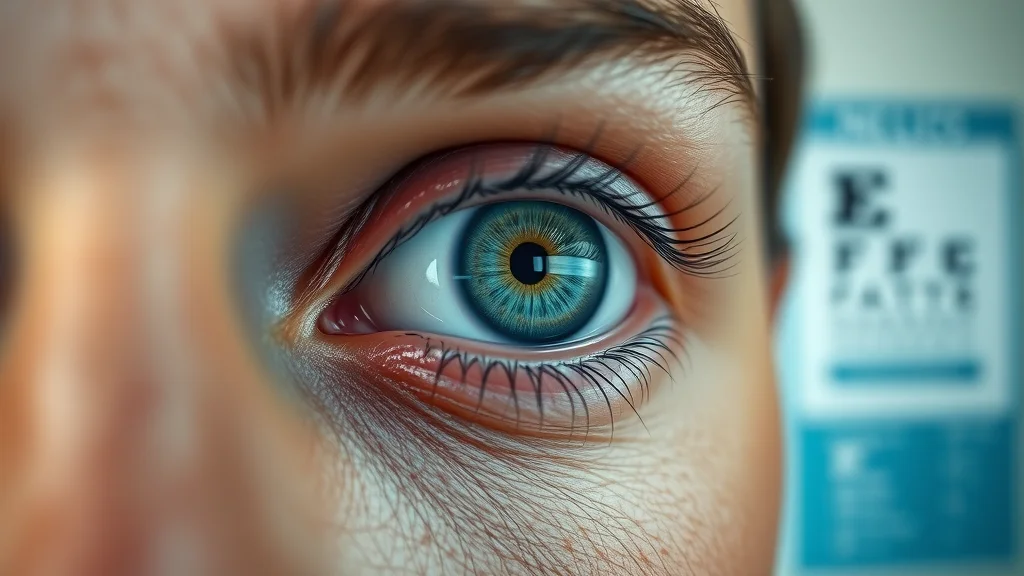
Millions quietly develop eye diseases such as cataracts (clouding of the lens), glaucoma (optic nerve damage), macular degeneration (central vision loss), and diabetic retinopathy (damage caused by diabetes or high blood sugar). Most of these conditions are easier to treat if detected early. Symptoms to watch for include blurry vision, eye pain, gradual loss of peripheral or central vision, frequent changes in prescription glasses, and seeing halos or floaters.
Early signs can be so subtle that many people ignore them until vision problems become severe. For seniors and those with risk factors like diabetes or high blood pressure, annual eye exams can mean the difference between lifelong sight or irreparable vision loss. Recognizing early symptoms—and acting promptly by seeing your care provider—protects your healthy eyes over the long term.
For those especially interested in how age and lifestyle can impact vision, exploring senior-focused wellness strategies can provide additional context and practical tips. You can find more on this topic in the Senior Health and Wellness, Naturally resource, which covers holistic approaches to maintaining health—including eye care—throughout the aging process.
Essential Eye Care Tips to Keep Your Eyes Healthy
Protect Your Eye with Daily Healthy Habits
- Maintain proper hygiene and avoid touching your eyes unnecessarily
- Limit blue light exposure and take regular screen breaks
Simple healthy habits go a long way in maintaining healthy eyes. Start by washing your hands thoroughly before touching your face or inserting contact lenses. Keep makeup brushes, eye drops, and contact lens solutions clean to reduce infection risks. Blink frequently to prevent dry eye, especially during long periods of screen use, and follow the “20-20-20” or “10-10-10” rule: every 20 (or 10) minutes, look at something 20 feet away for 20 (or 10) seconds to reduce eye fatigue.
Exposure to blue light from digital devices is a growing concern, fueling dry eye and eye strain. Adjust your screen brightness, use blue light glasses, and place screens at eye level to lessen glare and discomfort. Practicing these eye care strategies consistently will help protect your eye health, fend off vision problems, and support optimal performance throughout the day.
“Regular eye exams are your first line of defense against silent vision problems.” – Dr. Patel, Ophthalmologist
Nutrition for Healthy Eyes: Foods and Fatty Acids for Optimal Eye Health
The Role of Essential Fatty Acid and Antioxidants in Eye Health
- Best foods for eye health: Leafy greens, fatty fish, nuts, seeds, and colored vegetables
A well-balanced diet is crucial for healthy eyes. Essential fatty acids such as omega-3, found in salmon, flaxseed, and walnuts, boost retinal health and reduce the risk of macular degeneration and dry eye. Antioxidants like vitamins A, C, and E fight oxidative stress—one of the biggest contributors to age-related eye diseases. Leafy greens (spinach, kale), bright veggies (carrots, bell peppers), and citrus fruits deliver these nutrients, supporting stronger eye health.
Remember, what you eat today shapes your future vision. Including nutrient-dense foods not only helps your eyes stay healthy—it can also delay the onset of and reduce the severity of chronic eye conditions. Always aim for a vibrant plate to harness the power of natural antioxidants and essential fatty acids and protect your eyes for years to come.
| Nutrient | Eye Benefit | Food Sources |
|---|---|---|
| Vitamin A | Prevents night blindness and supports cornea health | Carrots, sweet potatoes, spinach |
| Vitamin C | Reduces risk of cataracts, supports overall eye health | Oranges, strawberries, bell peppers |
| Vitamin E | Protects eyes from free radicals, slows macular degeneration | Almonds, sunflower seeds, avocados |
| Omega-3 Fatty Acids | Prevents dry eye; supports retinal and macular health | Salmon, flaxseed, chia seeds, walnuts |

Protect Your Eyes: Environmental and Lifestyle Strategies
How to Protect Your Eyes from UV Rays and Blue Light
- Wearing sunglasses and following the 10-10-10 rule for eyes
- Adapting your workspace for better healthy eyes
Sunglasses aren’t just a style statement—they’re a shield against damaging ultraviolet (UV) radiation, which increases your risk of cataracts and macular degeneration. Choose sunglasses with 100% UVA/UVB protection and wear them even on cloudy days. At home or work, manage your lighting: use anti-glare screens, keep your monitor at arm’s length, and adjust your chair and desk height to reduce eye strain.
Digital devices emit blue light, which can contribute to eye fatigue. The “10-10-10 rule” is a handy technique to protect your eyes: after every 10 minutes of screen time, spend 10 seconds focusing at least 10 feet away. Pairing these habits with regular hydration, room ventilation, and the occasional stretch can make your workspace truly good for your eyes—and keep your productivity and focus at their peak.

The Importance of Regular Eye Exams in Maintaining Healthy Eyes
What to Expect During a Dilated Eye Exam
- Step-by-step explanation of a comprehensive eye exam
- How often you should get your healthy eyes checked
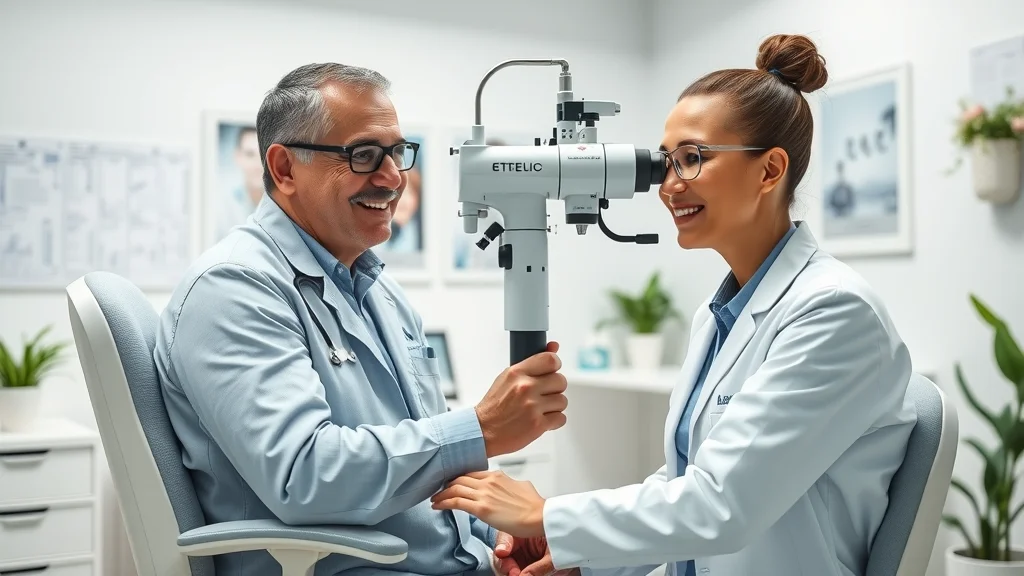
A dilated eye exam is the gold standard for early detection of eye diseases, even before symptoms appear. During the test, your doctor places drops in your eyes to widen (dilate) the pupils. This makes it easier to detect early signs of diabetic retinopathy, glaucoma, macular degeneration, and other eye conditions that might progress without warning.
After your eyesight is checked, your eye care professional will use a magnifying device to examine the retina and optic nerve. For most adults, having an eye exam every one to two years is sufficient. If you have diabetes, high blood pressure, or a family history of eye disease, you may need more frequent exams. Routine checkups help identify problems before they threaten your vision, giving your healthy eyes the best chance for lifelong clarity.
Signs Your Healthy Eyes Need Attention and When to Seek Eye Care
Warning Symptoms Suggesting Possible Eye Disease
- Blurry vision, floaters, sudden vision loss, and chronic dryness
Not all eye issues can be solved with new glasses. Blurry vision out of the blue, sudden onset of floaters, chronic dry eye, flashes of light, persistent eye pain, or vision loss require immediate attention. These symptoms can warn of retinal tears, glaucoma, or other urgent eye diseases that may cause permanent damage if left untreated.
Ignoring early warning signs may make conditions harder—and sometimes impossible—to treat. If you suddenly notice any changes in your vision, get checked by your care provider as soon as possible. Early action can halt the progress of many threatening eye conditions, preserve your sight, and in some cases, even restore lost vision.
Video Explainer:People Also Ask: Your Healthy Eyes Questions Answered
How can I make my eyes healthier?
- Step-by-step actionable tips for improving healthy eyes through lifestyle and nutrition.
Boosting your eye health starts with simple daily choices:
- Eat a diet rich in leafy greens, brightly colored vegetables, and omega-3-rich fish.
- Stay hydrated to reduce dryness.
- Minimize screen time or take frequent breaks by following the 10-10-10 rule.
- Wear sunglasses that block UVA/UVB rays outdoors.
- Practice good hygiene, especially with contact lenses.
- Schedule regular dilated eye exams with your eye care professional.

How do you tell if your eyes are healthy?
- Checklists and self-assessment tips for identifying the signs of healthy or unhealthy eyes.
Clear, comfortable vision all day without frequent headaches, dry or watery eyes, redness, or irritation is a great sign of healthy eyes. Here’s a quick checklist:
- No persistent blurry or double vision
- No floaters or flashes of light
- Pupils respond evenly to light
- No chronic dryness, itching, or pain
- Can easily transition between light and dark environments
What is the #1 worst food for vision loss?
- Insights into foods to avoid, including sugary snacks and processed foods that can threaten healthy eyes.
High-sugar, ultra-processed snacks (such as candy, soda, and bakery goods) are among the worst foods for your eyes. These foods can raise your risk of diabetes or high blood pressure, which in turn fuel eye diseases like diabetic retinopathy and age-related macular degeneration. A diet high in trans fats (often found in fried and processed foods) also negatively impacts eye health.
For lifelong healthy eyes, avoid excess sugar and processed foods whenever possible. Choose nutrient-rich whole foods and healthy fats instead—your eyes and your overall health will thank you!
What is the 10-10-10 rule for eyes?
- Explanation of the 10-10-10 rule and how regular screen breaks can protect your eyes and help maintain healthy eyes.
The 10-10-10 rule is a smart habit for anyone spending lots of time on screens. After every 10 minutes of close-up work or screen use, look at something 10 feet away for at least 10 seconds. This gives your eye muscles a needed break, reduces the risk of eye strain, and helps ward off dry eye.
Incorporating this simple rule into your daily routine is one of the quickest ways to protect your eyes at work, home, or school and ensure your healthy eyes last a lifetime.
Video Walkthrough:Healthy Eyes Checklist: Daily and Annual Habits
- Drink plenty of water daily
- Choose a balanced diet high in fruits, vegetables, and fatty acids
- Avoid smoking and limit alcohol
- Wear sunglasses outdoors
- Use blue light protection and take frequent screen breaks
- Practice good contact lens hygiene
- Limit processed and sugary foods
- Schedule annual dilated eye exams
Following this checklist can greatly reduce your risk of common eye diseases and safeguard your vision for years to come. Remember, healthy habits every day plus annual professional eye care is the winning formula for healthy eyes!
Frequently Asked Questions About Healthy Eyes
- What causes dry eyes? Prolonged screen use, dehydration, certain medications, and age are common culprits. Staying hydrated, following the 10-10-10 rule, and using preservative-free artificial tears can help manage dry eye.
- Do blue light glasses work? Blue light glasses help reduce eye fatigue and strain from digital devices. Pair them with screen breaks for best results.
- Does smoking harm eye health? Yes, smoking increases the risk of cataracts and macular degeneration. Quitting smoking benefits your vision and whole-body health.
- Should I take supplements for healthy eyes? A diet rich in antioxidants and omega-3 fatty acids is best. Ask your care provider before starting any eye health supplements for your specific needs.
Key Takeaways for Achieving and Maintaining Healthy Eyes
- Eat a diet high in antioxidants and healthy fatty acids
- Protect your eyes from UV and blue light exposure
- Adopt healthy daily habits and take breaks from screens
- Never ignore warning signs or sudden changes in your vision
- See your eye care professional regularly for comprehensive eye exams
Ready to Prioritize Your Eye Health?
- Discover expert-recommended products and read more in-depth healthy eyes reviews to make informed choices.
By making healthy choices and being proactive about your eye care, you can enjoy clear, confident vision now and for years to come. Invest in your healthy eyes—your window to the world.
If you’re inspired to take your wellness journey even further, consider how holistic health practices can support not just your eyes, but your overall vitality as you age. The Senior Health and Wellness, Naturally guide offers a wealth of knowledge on nurturing your body and mind through every stage of life. By integrating these broader wellness strategies, you’ll be empowered to make informed decisions that benefit your vision and your long-term health. Explore new perspectives and discover how a comprehensive approach to well-being can help you thrive for years to come.




Write A Comment