


Did you know more than two billion people worldwide suffer from some form of vision impairment? Prioritizing healthy eyes isn’t just about seeing well—it’s fundamental to your overall well-being and quality of life. In this guide, we reveal the proven steps, nutrition, and lifestyle choices that can unlock the secret to enduring eye health, helping you enjoy crisp, comfortable vision for years to come.
Startling Facts: Why Healthy Eyes Matter More Than You Think
"Over 2 billion people worldwide experience some form of vision impairment. Prioritizing healthy eyes is not just about seeing clearly—it’s about overall well-being." – World Health Organization
Eye health issues are a global concern: Vision impairment can strike anyone, regardless of age or geography. Neglecting your eye care even for a few years increases your risk of preventable vision loss.
Risks of poor eye health: Untreated eye conditions often progress silently, leading to complications such as macular degeneration, glaucoma, or diabetic retinopathy. Early attention and healthy habits can keep your vision strong and your eyes healthy at every stage of life.

What You'll Learn: Eye Health Strategies for Healthy Eyes
Key daily habits for healthy eyes
Early warning signs of eye disease
The best nutritional choices for eye health
How to protect your eyes from digital strain
Steps to effective eye care and professional checkups
Understanding Eye Health: The Foundation to Healthy Eyes
The Anatomy of a Healthy Eye
Cornea, lens, retina, optic nerve: Each part of your eye works together for clear sight. The cornea focuses incoming light, the lens fine-tunes images, while the retina transforms images into signals sent by the optic nerve to your brain.
Teamwork for vision: Damage or disease in one area can affect overall eye health and cause problems like blurry vision, pain, or vision loss. Understanding basic anatomy helps you recognize early symptoms and seek care before problems escalate.

Common Eye Diseases and Their Impact on Healthy Eyes
Cataracts, glaucoma, macular degeneration, diabetic retinopathy: These leading eye diseases often start without obvious symptoms and can result in blindness if untreated. For example, macular degeneration affects central vision, while glaucoma damages the optic nerve due to high eye pressure.
Prevention matters: Early warning signs like blurriness, seeing halos, or trouble seeing at night make it crucial to schedule an eye exam. Preventative action and awareness connected to eye care and regular checkups help maintain healthy eyesight throughout life.
For those especially interested in how eye health fits into a broader wellness routine, exploring natural approaches to senior health can offer additional strategies for maintaining strong vision and overall vitality. You can find more holistic tips and lifestyle guidance in this comprehensive resource on senior health and wellness.
The Science Behind Healthy Eyes: Daily Eye Care Routines
Protect Your Eyes: Essential Eye Care Habits
Washing hands before touching eyes: Keeping your hands clean minimizes the transfer of bacteria and viruses, protecting your eyes from infection.
Regularly replacing contact lenses: Old or improperly cleaned contact lenses can cause dry eye, infections, or even corneal damage. Always follow your eye care professional’s advice about contact lens hygiene to keep eyes healthy.
Identifying and avoiding eye irritants: Everyday irritants like smoke, dust, and harsh chemicals can exacerbate dry eyes and lead to chronic irritation. Use protective eyewear when needed and maintain a clean environment.
Integrating these straightforward yet effective eye care habits into your daily routine strengthens your eyes against infections, allergies, and injuries. Practicing safe contact lens use and consciously avoiding known irritants will keep your vision clear and comfortable.
Eye Exam: The Importance of Regular Checkups for Eye Health
"A comprehensive eye exam can detect issues before symptoms appear, ensuring lasting healthy eyes." – Dr. Emily Chen, Optometrist
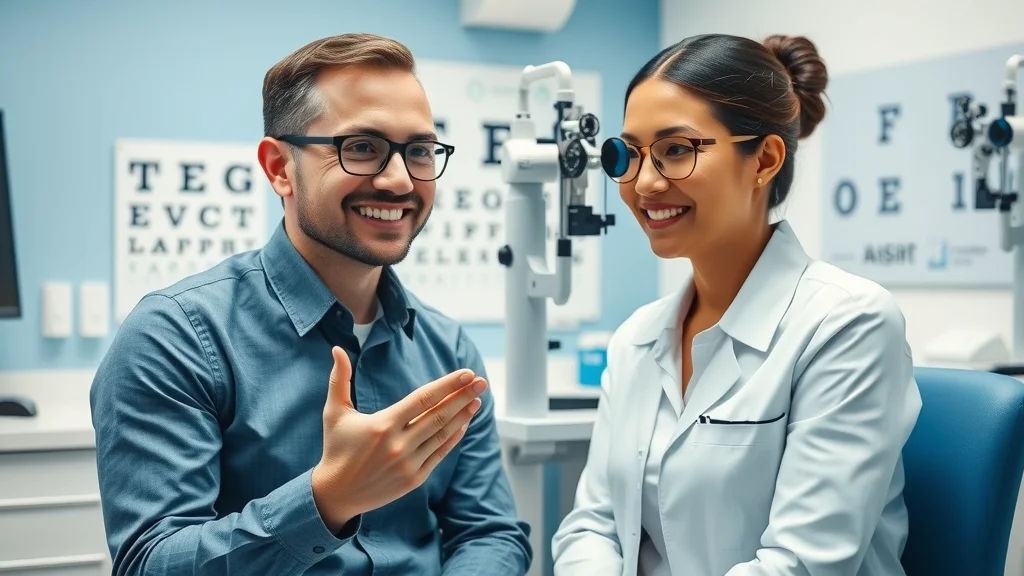
Eye exams are not just for those with poor vision—they’re crucial for everyone. Regular comprehensive eye exams can catch problems like eye disease or vision loss early, when they're easier to treat. Your optometrist may conduct a dilated eye exam to examine the retina and optic nerve more thoroughly, which is especially important for older adults and those with chronic health conditions like diabetes or high blood pressure.
Routine checkups help to monitor subtle changes, update prescriptions if needed, and ensure that both contact lens and glasses wearers are maintaining optimal eye health. It’s recommended to see your eye doctor annually, or as advised, so early intervention and personalized care can work to prevent complications before they impact your daily life.
Nutrition for Healthy Eyes: What to Eat for Optimal Eye Health
Nutrients |
Food Sources |
Eye Benefits |
|---|---|---|
Vitamin A |
Carrots, pumpkins |
Prevents night blindness |
Omega-3 fatty acids |
Salmon, flaxseed |
Reduces dry eye |
Vitamin C |
Oranges, kiwi |
Helps prevent cataracts |
Zinc |
Oysters, beans |
Supports retina health |
How Fatty Acids Promote Healthy Eyes
Omega-3 rich foods: Salmon, anchovies, chia seeds, and flaxseed are packed with fatty acids that lubricate the eye, reduce dry eye symptoms, and may help lower your risk of macular degeneration.
Prevention and protection: Consuming adequate fatty acids regularly supports the health of the retina and may reduce inflammation, a risk factor for chronic eye conditions and other vision problems.
Balance is essential: incorporate a colorful plate of leafy greens, citrus fruits, nuts, and fish to deliver a powerful mix of nutrients that help keep your eyes healthy. Diet diversity leads to more resilient eyes—giving you yet another reason to choose wholesome, whole foods every day.

Digital Eye Strain: How to Protect Your Eyes in a Tech-Driven World
Symptoms of Digital Eye Strain and Dry Eyes
Redness, irritation, headaches: Extended screen time causes digital eye strain, leading to tired, itchy, or burning eyes, often paired with headaches.
Link to dry eye: Prolonged use of digital devices can slow blinking, leading to dry eyes. It’s crucial to recognize these warning signs early to protect your eyes and prevent lasting discomfort or injury.
If your eyes feel fatigued after work or study, chances are you’re already experiencing the effects of digital strain. Prioritizing smart screen habits and maintaining good indoor air quality will promote healthier, more comfortable eyes.

The 10-10-10 Rule for Healthy Eyes
Every 10 minutes, look at something 10 feet away for at least 10 seconds.
This simple habit, known as the 10-10-10 rule, can dramatically reduce digital eye strain and help maintain healthy eyes even in a tech-dominated day. Setting reminders or using productivity timers will help build this habit into your workflow, ensuring your eyes get consistent, essential breaks from the screen.
Lifestyle Choices: Building Healthy Habits for Lifelong Eye Health
Managing Blood Pressure and Eye Health
Hypertension’s warning: Evidence connects uncontrolled blood pressure to damage in retinal blood vessels, increasing risk for vision-threatening conditions like retinopathy or macular degeneration.
Keep your blood pressure in check with regular monitoring, exercise, and a diet low in sodium and rich in leafy greens. Not only will this benefit your heart, but it’s also good for your eyes—especially as you age.
Quit Smoking: Its Impact on Healthy Eyes
"Smoking increases your risk for age-related macular degeneration and other eye diseases. Kicking the habit is crucial for healthy eyes."
Smoking increases harmful oxidative stress on your eyes. Studies show smokers face up to four times greater risk of developing macular degeneration or cataracts. Stopping smoking benefits your eye health almost immediately, lowering your likelihood of severe vision loss. Replacing smoking with healthy habits such as regular exercise or nutritious snacks will help speed recovery for your eyes and overall health.
Sunglasses and UV Protection: How to Protect Your Eye Health
Sun damage isn’t confined to skin—it damages your eyes, too. UV rays accelerate cataract development, contribute to pterygium (growths on the eye), and may even increase your risk of macular degeneration. Always choose sunglasses labeled “100% UV protection” and wear a wide-brim hat for extra defense against solar glare. Consistent use, especially between 10 a.m. and 2 p.m., makes a significant difference in safeguarding your eye health over the years.
All-Natural Supplements
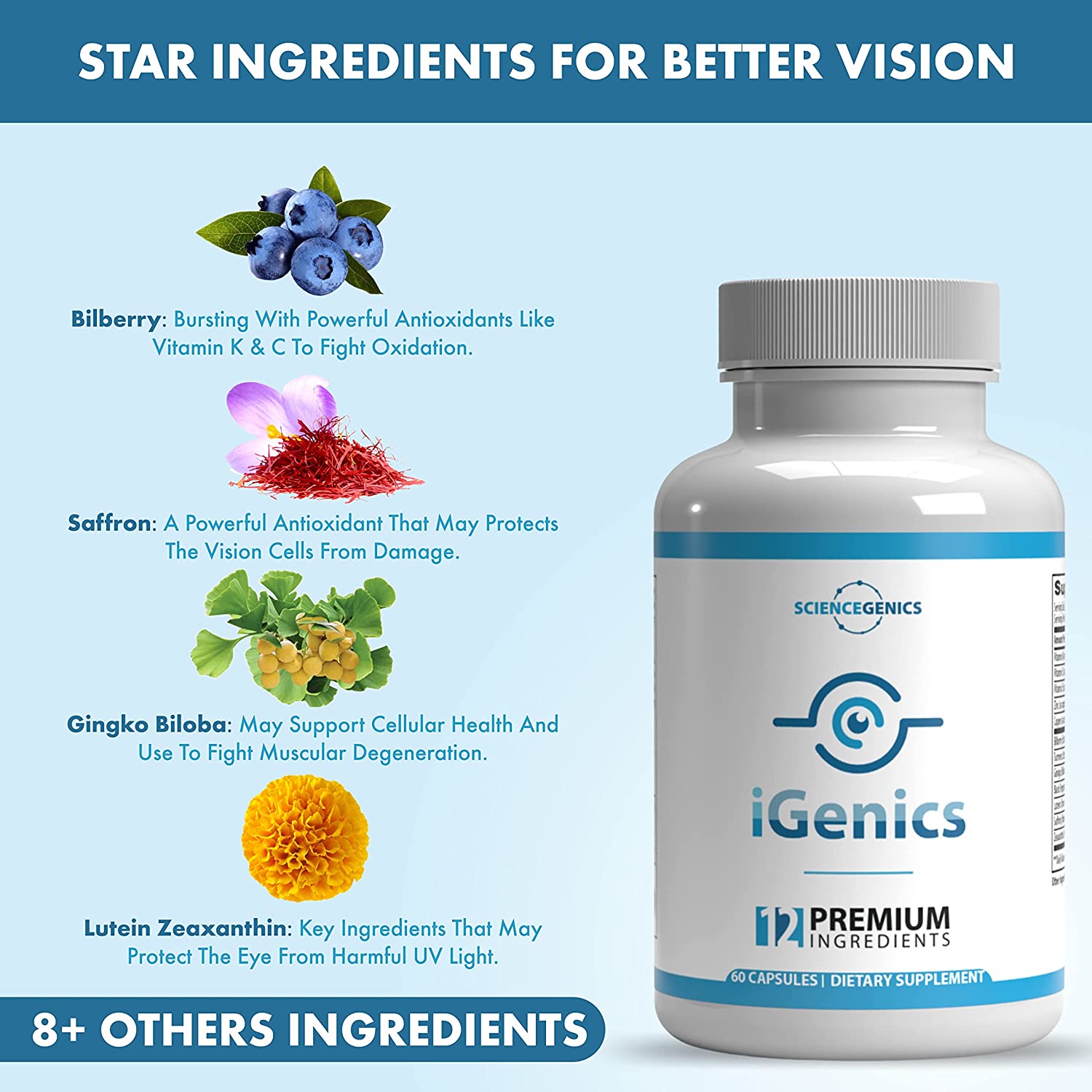
iGenics is an all-natural supplement designed to support clearer, healthier vision using a blend of antioxidant-rich botanicals. Its ingredients help combat oxidative stress, one of the leading contributors to age-related vision decline, while promoting sharper focus and reduced eye fatigue. Many users appreciate that iGenics targets inflammation and improves circulation to the eyes, which may enhance overall visual performance. Because it’s plant-based, it provides a gentle, non-synthetic option for those seeking long-term eye wellness. Whether you’re dealing with digital strain or simply want to protect your eyesight as you age, iGenics offers a natural, proactive approach to vision support.
Eye Care for Every Age: Healthy Eyes at Every Life Stage
Children and Teens: Preventing Eye Disease Early
Good eye health starts young. Children and teens often experience rapid vision changes due to growth or classroom strain. Early eye exams catch issues before they interfere with learning or social development. Encouraging less screen time, more outdoor play, and regular breaks from digital devices protects young eyes from fatigue and strain. Eye protection during sports and proper hygiene, especially around contact lenses, are also crucial to reduce eye infections and injuries.
Adults and Older Adults: Specialized Eye Care and Dilated Eye Exams
As adults age, their risks for eye diseases like glaucoma and macular degeneration increase. A comprehensive annual checkup, often including a dilated eye exam, is critical for catching conditions early. Older adults may notice difficulty reading, driving at night, or adjusting to changes in lighting—all signals to consult an eye doctor promptly. Special care for contact lens users and proactive treatment for chronic conditions like high blood pressure further safeguard vision.
Recognizing Red Flags: When to See an Eye Doctor for Eye Health Concerns
Sudden vision changes
Persistent eye pain or redness
Difficulty seeing at night
These symptoms can indicate serious eye conditions that require immediate attention. Visiting an eye doctor at the earliest sign of trouble increases your chances of a full recovery and prevents lasting vision loss. Regular checkups ensure that your eyes remain healthy over the long term, with your care professional ready to tailor solutions if problems do arise.
How an Eye Doctor Can Help Maintain Healthy Eyes
Your eye doctor is your partner in lifelong eye health. They not only spot early warning signs of eye disease but also provide guidance on nutrition, lifestyle, and protective strategies. By following their tailored recommendations, scheduling consistent eye exams, and communicating concerns promptly, you keep your eyes healthy and vision sharp—even as your needs change with age.
People Also Ask: Answers to Common Healthy Eyes Questions
How can I make my eyes healthier?
Eat a balanced diet with leafy greens, fish, and citrus fruits.
Schedule regular eye exams with your eye doctor.
Practice safe eye care routines—such as keeping hands clean and protecting eyes from irritants.
Prioritize protective eyewear like UV-blocking sunglasses and blue light filters when needed.
How do you tell if your eyes are healthy?
Clear, comfortable vision at all distances
Absence of pain, redness, or discomfort
No difficulty seeing at night or adjusting to low light
No frequent headaches or dry, irritated eyes
What is the #1 worst food for vision loss?
Foods high in refined sugar and saturated fats can significantly increase your risk of eye diseases and permanent vision loss. Limit these foods to keep your eyes healthy.
What is the 10-10-10 rule for eyes?
The 10-10-10 rule is a simple habit: every 10 minutes, look at something 10 feet away for at least 10 seconds. This helps prevent digital eye strain and keeps your eyes healthy. It’s a great strategy for adults, children, and teens alike.
FAQ: Your Top Healthy Eyes and Eye Care Questions Answered
What foods are best for my eye health? — Leafy greens, carrots, salmon, citrus and nuts are great eye-friendly choices.
How should I use screens to avoid digital eye strain? — Take regular breaks, follow the 10-10-10 rule, and set up screens at eye level in good lighting.
How often should I have my eyes checked? — At least annually, or as recommended for your age or health status.
What are the early warning signs of eye diseases? — Blurry vision, pain, difficulty seeing at night, sudden changes, or halos around lights.
How can I protect my eyes from sun damage? — Wear sunglasses with 100% UV protection and wide-brim hats when outdoors.
Key Takeaways: Essentials for Maintaining Healthy Eyes
Prioritize routine eye exams
Eat a balanced diet rich in eye-friendly nutrients
Protect eyes from UV and digital strain
Build lifelong healthy habits
Explore More: Learn the Complete Path to Healthy Eyes
For a deeper dive into effective eye care routines and advanced products for healthy eyes, read our detailed product comparisons and recommendations.
Conclusion: Take control of your eye health with smart daily habits, nutrition, and regular checkups—your eyes will thank you for a lifetime. Start building healthy eyes today!




Write A Comment