

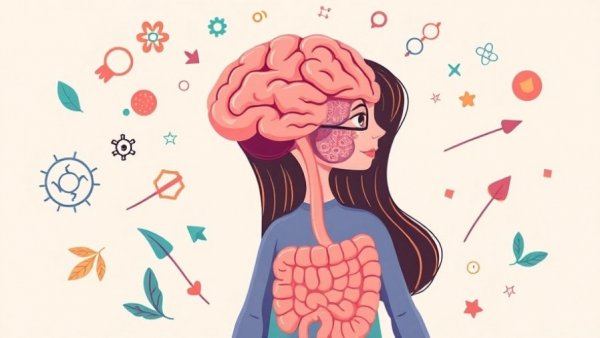
The Complex Connection Between Gut Health and Mental Wellness
Have you ever felt butterflies in your stomach or a gut-wrenching feeling during tough times? This isn’t just a quirky expression; it’s a reflection of the profound relationship between our gut and brain, often referred to as the gut-brain connection. With more revelations coming forth in scientific research, this connection is gaining attention, especially among individuals looking for holistic health solutions. By understanding this connection, many people are discovering new ways to improve their overall well-being, nurture relationships, and even enhance their productivity.
Exploring the Gut-Brain Axis
The gut-brain axis represents a vital communication network connecting the gastrointestinal tract with the brain, acting like a super highway via the vagus nerve. Astonishingly, around 80% of the fibers in this nerve send information upwards to the brain, suggesting that our gut health could play a pivotal role in how we process emotions and experiences. This insight explains why digestive issues often correlate with stress and anxiety. Furthermore, the vagus nerve's function extends beyond mere communication; it also influences emotional regulation. When we encounter stressors, our gut can signal the brain to react, potentially heightening feelings of anxiety or unhappiness. This cyclical interaction highlights the importance of maintaining gut health as a means to fortify our mental resilience.
Gut bacteria are integral players in this conversation, producing neurotransmitters that affect our moods. Serotonin, for instance, is primarily synthesized in our gastrointestinal tract, underscoring how digestive health is intertwined with mental well-being. An imbalance in gut microbiota, known as dysbiosis, not only leads to digestive symptoms but can also manifest as changes in mood and cognitive functions. Recognizing that our gut flora can impact our mental state empowers individuals to take actionable steps toward improving both their gut health and overall happiness.
Symptoms of an Unbalanced Gut-Brain Connection
Recognizing the signs of a disrupted gut-brain connection is essential for taking proactive steps toward healing. Digestive discomfort such as bloating, diarrhea, constipation, or even brain fog and fatigue can signal that something is amiss. Individuals may also experience heightened sensitivity to stress or emotional disturbances. These symptoms illustrate that the health of our gut is crucial not just for physical health but for maintaining an overall balanced mental state.
Moreover, it’s important to acknowledge that the manifestations of an unbalanced gut can vary greatly among individuals. Some might notice physical symptoms like skin irritations or changes in appetite, while others may find themselves grappling with more subtle shifts in mood or energy levels. Journaling about dietary habits and emotional states can assist in identifying specific triggers and patterns that adversely affect one's gut-brain connection.
Stress: A Two-Way Street
Understanding the role of stress in this dynamic is equally vital. When we encounter stress, our body releases cortisol, a steroid hormone that can weaken the gut lining, allowing toxins and irritants to pass into our bloodstream. This reaction can compound digestive issues and further disrupt our mental balance, creating a feedback loop that can severely impact daily life. Equipping ourselves with effective stress management techniques can alleviate not only our emotional turmoil but also support our gut health.
Mindfulness practices, such as meditation and deep-breathing exercises, can significantly lower cortisol levels, allowing the gut to rebound from stress-induced damage. Beyond mindfulness, physically engaging the body through regular exercise can stimulate digestive health and foster improved mood. Exploring local community offerings such as fitness classes, nature walks, or even group meditation can provide accessible avenues for stress relief, further benefiting both mental and gut health.
Steps Towards Restoring Balance
To restore the balance between your gut and brain, focus on a few simple but impactful lifestyle adjustments. Incorporating whole, natural foods into your diet can significantly enhance gut health. Foods rich in fiber, prebiotics, and probiotics are particularly beneficial. For example, yogurt, kombucha, sauerkraut, and various fermented foods not only promote a healthy gut microbiome but can also lift your spirits. Adopting a regular eating schedule and avoiding excessive processed sugars and unhealthy fats can also contribute to this positive shift.
Additionally, practicing mindfulness, yoga, or engaging in community health and wellness activities can help lower stress levels and strengthen your gut-brain connection. Local workshops focused on healthy eating or stress management can also provide valuable tools and create a supportive environment for exploring personal health journeys.
A Holistic Perspective on Health and Well-being
As interest in the holistic approach to health and wellness grows, understanding the gut-brain connection becomes essential. It emphasizes not just treating symptoms but fostering an optimal state of health. By addressing both mental and physical health needs, individuals can embark on a more integrated lifestyle that facilitates overall wellness.
Connect with Community Health Resources
If you’re curious about enhancing your gut-brain health, seek out community health initiatives in San Antonio focused on nutrition, wellness, and mindfulness. There are numerous local events and workshops dedicated to the promotion of natural health practices and methods of supporting a balanced life. Networking with local health practitioners or joining community support groups can lead to valuable connections and shared experiences.
Embarking on a journey toward better health is not just a personal endeavor; it is one that can be shared within a community. Engaging with local health and wellness businesses can provide the support and resources needed to make sustainable changes. Together, community members can cultivate a culture of health, resilience, and shared success.
In conclusion, the relationship between our gut and brain is an intricate dance, and understanding this connection is paramount to achieving optimal health and wellness. If you find yourself experiencing any concerning symptoms, consider consulting with a healthcare professional or a naturopathic doctor who specializes in gut health and can guide you on effective strategies suited for your needs. This collaborative approach to health can pave the way for a thriving community, where both mental and physical well-being are prioritized.






Write A Comment