


Hook: According to the CDC, nearly half of adults in the United States have high blood pressure, but shockingly, only about a quarter manage to keep it under control. This silent threat quietly increases the risk for heart disease, stroke, and kidney complications—even when you feel perfectly fine. If you’re searching for additional ways to support your heart health, don’t overlook the power of science-backed supplements to lower blood pressure naturally.
A Startling Truth: Why Supplements to Lower Blood Pressure Naturally Matter More Than Ever
"Nearly half of adults in the United States have high blood pressure—but only a quarter have it under control."
With high blood pressure now impacting millions across the United States, finding practical, sustainable solutions has never been more crucial. The dangers of uncontrolled blood pressure—stroke, heart disease, and kidney failure—demand preventive strategies that reach beyond medication alone. That’s why more people are turning to supplements to lower blood pressure naturally as part of a comprehensive approach. These supplements, when paired with lifestyle changes, not only help manage risk factors but may also improve long-term cardiovascular health. In today’s world, taking preventative measures is essential for a healthier tomorrow.

What You’ll Learn About Supplements to Lower Blood Pressure Naturally
- The top scientifically-backed supplements to lower blood pressure naturally
- How green tea, beetroot juice, and hibiscus tea support healthy blood vessels
- Key lifestyle changes that amplify supplement benefits
- Potential side effects and how to avoid them
- Expert tips for integrating supplements into your routine
Understanding High Blood Pressure: The Silent Threat
What is High Blood Pressure and Why Should You Act Early?
High blood pressure, also called hypertension, is when the force of your blood against your artery walls is consistently too high. Blood pressure readings are given as two numbers: the systolic blood pressure (the upper number, measuring pressure when the heart beats) and the diastolic blood pressure (the lower number, measuring pressure when the heart rests between beats). Most people with high blood pressure don’t experience obvious symptoms, making this a “silent” risk factor. Over time, untreated high blood pressure quietly increases your risk for heart disease, stroke, and kidney disease. That’s why monitoring your blood pressure and acting early—often before you feel anything wrong—is vital to protect your heart and blood vessels for the long term.
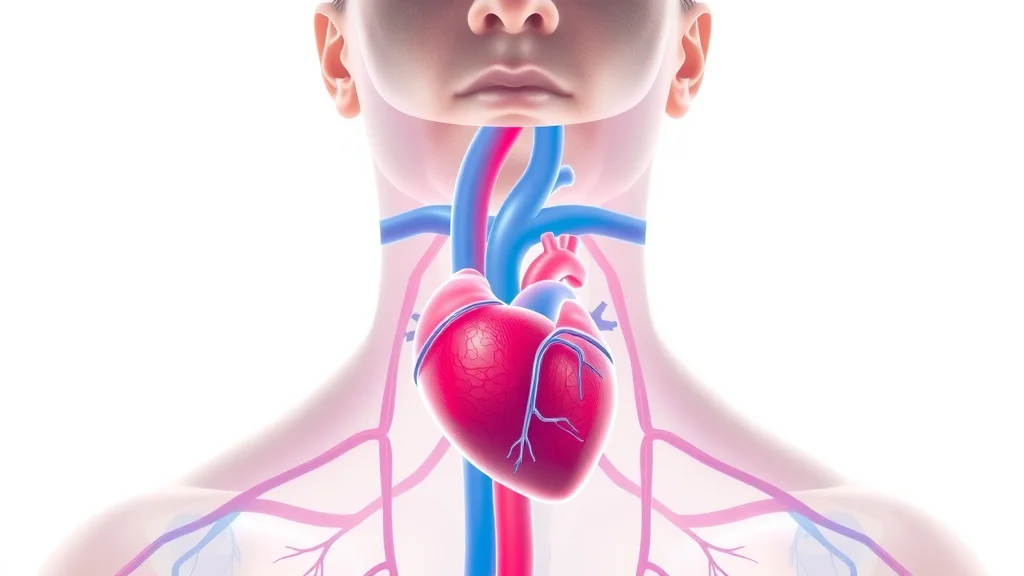
Impact of High Blood Pressure on Heart and Blood Vessels
Uncontrolled high blood pressure is notorious for damaging blood vessels throughout your body. Over time, increased force against artery walls weakens and scars the delicate lining of your vessels. This makes it easier for fatty deposits to build up and block your arteries, heightening your risk for heart attacks and strokes. Worse still, high blood pressure strains your heart, making it work harder and increasing the likelihood of heart failure. It can even lead to kidney disease by harming arteries that supply your kidneys. The risks build up quietly, emphasizing preventive measures and targeting the root causes before lasting damage occurs.
"Uncontrolled high blood pressure quietly damages blood vessels and vital organs, leading to stroke, heart attacks, and more."
Criteria: How We Ranked the Best Supplements to Lower Blood Pressure Naturally
- Scientific studies supporting effectiveness
- Potential side effects
- Safety, availability, and dosage
- Recommendations by healthcare professionals
To ensure only the best recommendations, each supplement featured here meets strict criteria drawn from clinical evidence, safety data, accessibility, and professional guidance. We review scientific studies evaluating real reductions in systolic and diastolic blood pressure, consider any reported side effects, verify dosage recommendations, and check endorsements from cardiologists or healthcare professionals. Only supplements that pass these rigorous tests make our top list to help you lower blood pressure naturally.
For those especially interested in how nutrition and daily habits can further support healthy blood pressure, exploring practical nutrition and lifestyle strategies for seniors can provide additional, actionable tips that complement the use of supplements.
Top 10 Supplements to Lower Blood Pressure Naturally
- Magnesium – The Essential Mineral for Relaxing Blood Vessels
- Potassium – Balancing Sodium for Lower Blood Pressure
- Omega-3 Fatty Acids – Supporting Heart and Blood Vessel Health
- Coenzyme Q10 – Powerful Antioxidant for Blood Pressure Reduction
- Garlic Extract – Proven to Lower Blood Pressure in Clinical Trials
- Hibiscus Tea – Nature’s Antihypertensive Drink
- Beetroot Juice – Boosting Nitric Oxide to Lower Blood
- Green Tea – Polyphenols for Cardiovascular Support
- L-Arginine – Amino Acid for Improving Blood Vessel Function
- Vitamin D – The Sunshine Vitamin’s Role in Blood Pressure Control
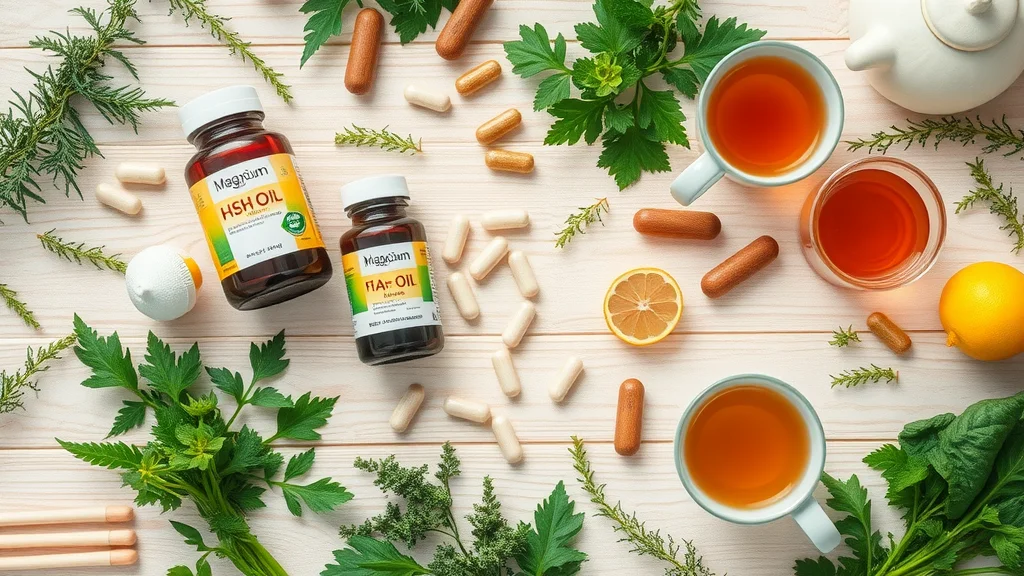
| Supplement | Key Benefit | Evidence Level | Potential Side Effects | Recommended by Healthcare Professional |
|---|---|---|---|---|
| Magnesium | Relaxes blood vessel walls | Strong | Digestive upset at high doses | Yes |
| Potassium | Balances sodium; lowers blood pressure | Strong | Risk with kidney disease | Yes |
| Omega-3 Fatty Acids | Supports heart health | Moderate | Possible bleeding with high intake | Yes |
| Coenzyme Q10 | Antioxidant; reduces blood pressure | Moderate | GI upset, headaches | Yes |
| Garlic Extract | Clinically proven to reduce blood pressure | Strong | Breath odor, stomach upset | Yes |
| Hibiscus Tea | Lowers systolic blood pressure | Strong | Possible drug interactions | Yes |
| Beetroot Juice | Boosts nitric oxide production | Moderate | Pink/red urine, GI upset | Yes |
| Green Tea | Supports cardiovascular health | Moderate | Insomnia, GI discomfort | Yes |
| L-Arginine | Improves blood vessel flexibility | Moderate | Nausea, GI upset | Yes |
| Vitamin D | Supports healthy blood pressure | Moderate | Hypercalcemia at high doses | Yes |
Deep Dives: How Each Supplement to Lower Blood Pressure Naturally Works
1. Magnesium: Relaxing Blood Vessel Walls to Lower Blood Pressure
Magnesium is a critical mineral for relaxing blood vessel walls and supporting overall cardiovascular function. Scientific studies show that regular magnesium intake can gently reduce both systolic and diastolic blood pressure. This effect is due to magnesium’s ability to regulate muscle contraction and nerve signaling within the blood vessel walls, promoting easier blood flow and less resistance. People with low magnesium levels are at greater risk of developing high blood pressure, making supplementation especially valuable for those who may not get enough from food alone. Typical forms include magnesium citrate and magnesium glycinate, both highly absorbable and effective for maintaining pressure levels. Always consult a healthcare professional before starting, especially if you have kidney disease or take diuretics.
2. Potassium: How It Helps Lower Blood and Support Healthy Blood Vessels
Potassium is a powerhouse nutrient that helps lower high blood pressure by balancing sodium levels in your body and relaxing blood vessels. When you get enough potassium—whether through supplements or potassium-rich foods like bananas and spinach—your body better flushes out excess sodium, reducing blood volume and strain on vessel walls. This nutrient’s role is so important that increasing potassium is a key principle of the DASH diet, which consistently shows blood pressure benefits. However, those with kidney disease or on certain heart medications must monitor potassium intake closely. With the right balance, potassium supports healthy blood vessels and sustainable pressure reduction for the long term.
3. Omega-3 Fatty Acids: Enhancing Heart Health
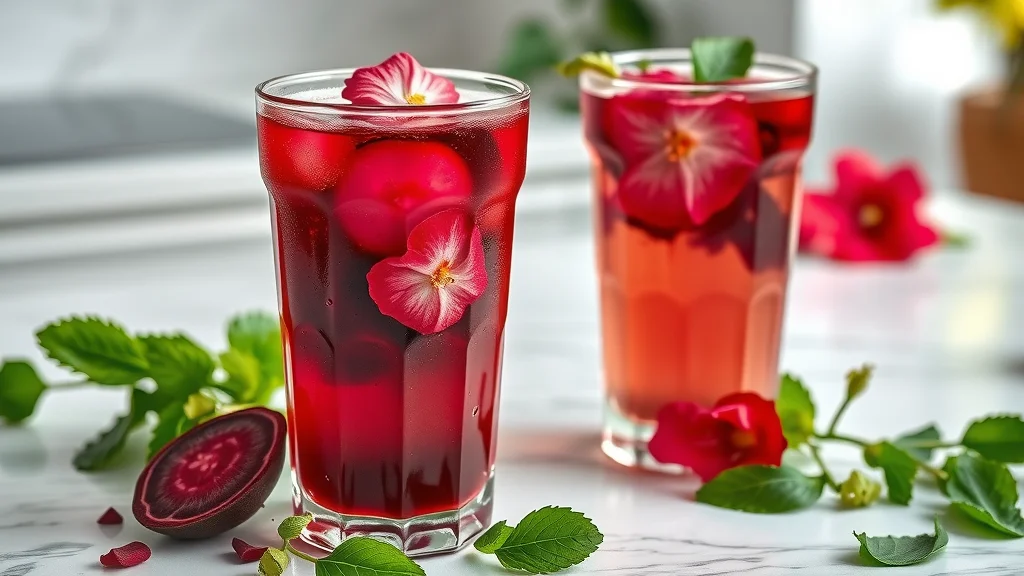
Omega-3 fatty acids, found in fish oil, flaxseed oil, and certain algae-based supplements, are essential for a healthy heart and lower blood pressure. Multiple studies show that omega-3s help reduce blood pressure by decreasing inflammation, lowering blood triglycerides, and improving blood vessel flexibility. By promoting smoother blood flow, omega-3s lower both systolic and diastolic measures. Ideal for those at risk for heart disease, these supplements dovetail perfectly with dietary changes and regular physical activity. Stick to recommended dosages as excessive omega-3 can thin the blood and pose risks in people on anticoagulant medication.
4. Coenzyme Q10 for High Blood Pressure: Antioxidant Protection
Coenzyme Q10, or CoQ10, is a potent antioxidant naturally produced by your body. As you age, CoQ10 levels decline, which research suggests may contribute to rising blood pressure. Supplementation helps restore these levels—leading to better energy production in heart muscle cells and improved dilation of blood vessels. Clinical trials report that consistent CoQ10 use can lead to modest reductions in both systolic and diastolic blood pressure, especially for those with high blood pressure or at risk of cardiovascular disease. Side effects are rare but may include mild digestive issues or headaches, so start with low doses and work with a healthcare professional.
5. Garlic Extract: Clinical Evidence for Lower Blood Pressure
Garlic extract is one of the best-studied natural supplements to lower blood pressure naturally. Not only does garlic reduce blood pressure in people with hypertension, but evidence shows it may also improve cholesterol, reduce inflammation, and offer antioxidant protection. The active component, allicin, helps blood vessels relax and improves nitric oxide production. Studies show that taking a garlic supplement—or adding raw, crushed garlic to meals—can lead to significant drops in both systolic and diastolic blood pressure. Watch for mild side effects such as stomach upset or garlic breath; always consult your doctor before combining with blood thinners or other heart medications.
6. Hibiscus Tea: A Herbal Remedy to Lower Blood
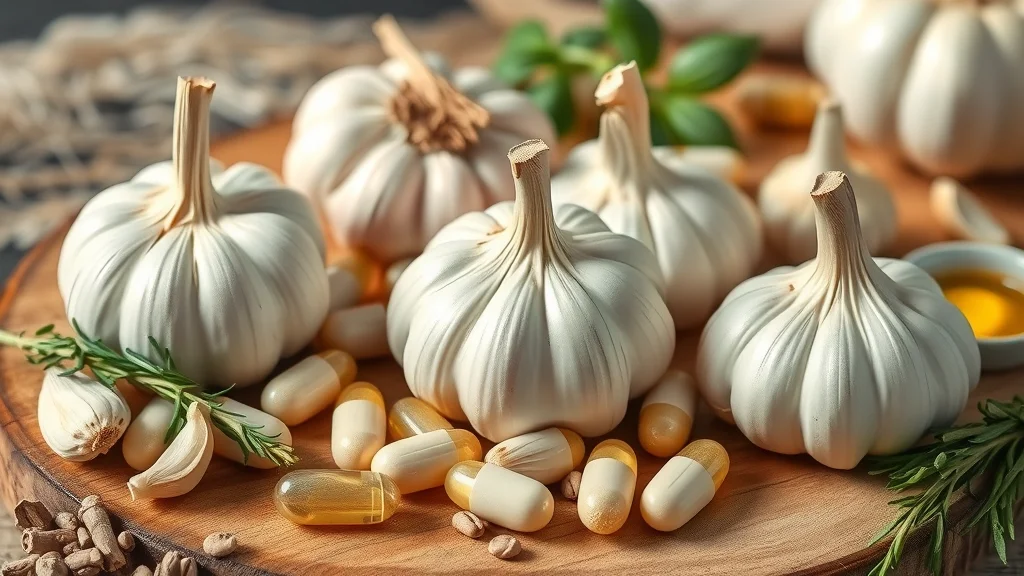
Hibiscus tea, brewed from the vibrant hibiscus flower, has gained attention for its natural ability to reduce blood pressure. Research shows that drinking 2-3 cups a day can lower systolic and diastolic blood pressure in people with mild to moderate hypertension. Hibiscus works by relaxing blood vessels, acting as a natural diuretic, and supporting healthy blood flow. It's caffeine-free, rich in antioxidants, and has a tart, refreshing flavor many enjoy daily. However, hibiscus tea can interact with some medications, so consult a healthcare professional before adding it to your routine, especially if you have liver or kidney issues.
7. Beetroot Juice: Nitric Oxide’s Role in Healthy Blood Pressure
Beetroot juice is one of nature’s most powerful boosters for nitric oxide, a molecule vital for expanding blood vessels and improving circulation. Drinking beetroot juice increases nitric oxide, which relaxes vessel walls and helps lower both systolic and diastolic blood pressure. This effect can be seen within hours after drinking, making beetroot juice a favorite for those needing a rapid, natural reduction. Rich in potassium and antioxidants, beetroot juice also supports overall vascular health. Side effects are minimal but may include pink or red urine (“beeturia”). It’s best consumed fresh and as part of a balanced approach, not as a single solution.
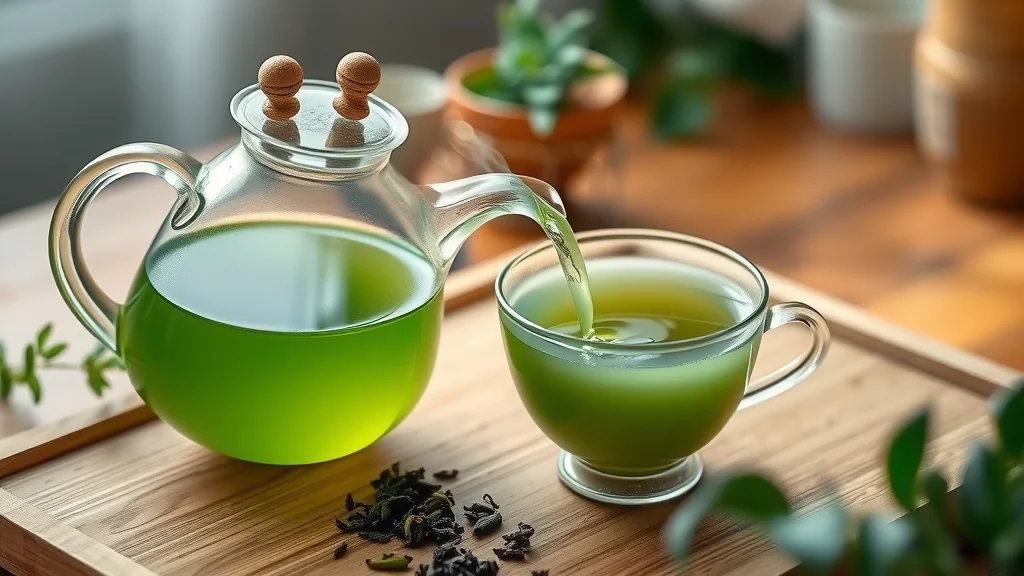
8. Green Tea: Antioxidants Supporting Blood Vessel Health
Green tea is packed with catechins and polyphenols, antioxidants proven to enhance blood flow and support long-term heart and blood vessel health. Studies suggest regular consumption of green tea can modestly reduce both systolic and diastolic blood pressure, thanks in part to its influence on nitric oxide and the relaxation of blood vessels. Green tea is also a powerful partner in weight management and reducing the overall risk of heart disease. Enjoy fresh-brewed, unsweetened green tea for the highest antioxidant content—but watch caffeine intake if you’re sensitive or have trouble sleeping.
9. L-Arginine: Promoting Blood Vessel Flexibility
L-Arginine is an amino acid that serves as a precursor to nitric oxide—a substance that relaxes and widens blood vessels. Supplementing with L-Arginine can occasionally result in improved vessel flexibility and lower blood pressure, particularly in those with certain cardiovascular risks. However, its effects are sometimes mild or variable across individuals. As with any supplement affecting blood flow, those with herpes, low blood pressure, or on blood pressure medications should consult a healthcare provider before use, due to potential side effects or interactions.
10. Vitamin D: Its Connection to Lower Blood Pressure
Vitamin D, known as the “sunshine vitamin,” supports numerous processes throughout the body, including blood vessel and immune health. Studies link vitamin D deficiency to elevated risk of high blood pressure, though the mechanism is still being researched. Supplementing with vitamin D may modestly lower blood pressure in those with a deficiency, but benefits are best combined with lifestyle measures such as increased sunlight exposure and a balanced diet. Take vitamin D as recommended by your healthcare professional, since high doses can cause side effects like high calcium levels.
Risks and Side Effects of Supplements to Lower Blood Pressure Naturally
- Possible interactions with prescription medication
- Side effects such as dizziness, headaches, or stomach upset
- Cautions for individuals with preexisting health conditions
- When to consult a healthcare professional
While supplements to lower blood pressure naturally are generally considered safe when taken at recommended doses, it’s vital to understand that side effects and interactions can occur. Certain supplements—especially potassium and magnesium—can pose risks for those with kidney disease. Herbal products like garlic extract, hibiscus tea, or green tea might interact with blood thinners or cholesterol medications. Watch for symptoms like dizziness, headaches, or digestive upset, and never exceed recommended dosages. Most importantly, always involve a healthcare professional in your supplement regimen for guidance and safety.
"Always consult a healthcare professional before starting any supplement to lower blood pressure naturally."
Lifestyle Changes to Lower Blood Pressure That Complement Supplements

- Adopting the DASH diet
- Regular exercise for cardiovascular health
- Stress management techniques
- Limiting sodium and alcohol intake
Supplements work best when combined with healthy lifestyle changes. The DASH diet (Dietary Approaches to Stop Hypertension) is high in fruits, vegetables, whole grains, and lean proteins, and low in sodium—proven to lower blood pressure. Regular aerobic exercise improves heart and blood vessel elasticity, while stress management (mindfulness, meditation, or even deep breathing exercises) further reduces blood pressure. Lastly, limiting sodium and avoiding excessive alcohol help maintain healthy blood pressure levels, making your supplement plan more effective.
A short expert video explains the science behind top natural supplements for lowering blood pressure, offering clear, visual breakdowns of supplement choices, animated diagrams of the circulatory system, and real-life lifestyle strategies. The calm, professional narration ensures viewers understand both the benefits and necessary precautions.
Frequently Asked: Natural Ways to Lower High Blood Pressure (People Also Ask)
What is the most effective natural supplement to lower blood pressure?

Among all supplements, magnesium and garlic extract have some of the strongest evidence for lowering high blood pressure naturally. Studies show that regular use of either supplement can lead to significant, sustained reductions in systolic and diastolic blood pressure. However, the “most effective” supplement may vary from person to person, depending on overall health and existing medical conditions. For optimal results, always consult with a healthcare professional and combine supplementation with positive lifestyle changes.
What is the 60 second trick to lower blood pressure?
There isn't a magic “60 second trick” proven to lower blood pressure for the long term. However, certain stress-reduction techniques—like slow, deep breathing or progressive muscle relaxation—can result in a temporary drop in blood pressure. These methods work by calming the nervous system and relaxing blood vessels. While such tricks offer short-term relief, sustained control of blood pressure comes from daily lifestyle changes and, when necessary, the targeted use of supplements or medications.
What will naturally lower your blood pressure quickly?
Immediate, natural ways to lower blood pressure include deep breathing, walking, or drinking a glass of water. Research also points to the quick benefits of drinking beetroot juice, which boosts nitric oxide and relaxes blood vessels—sometimes creating noticeable effects within hours. That said, lasting reduction in blood pressure relies on long-term strategies: heart-healthy eating, exercise, and, if needed, science-backed supplements. Always choose safe methods and consult with your provider for persistent high blood pressure.
FAQs: Supplements to Lower Blood Pressure Naturally
-
Can supplements to lower blood pressure naturally replace medication?
No. Supplements may help support healthy blood pressure, but they are not a replacement for prescribed medications when necessary. Consult your doctor before changing any medication regimen. -
How quickly do natural supplements work?
Results can vary. Some supplements, like beetroot juice, may work within hours, while others may take weeks to months of consistent use to show noticeable effects. -
Are supplements safe for everyone?
Not always. Individuals with certain health conditions (like kidney or liver disease) or those on medications should use caution and seek guidance from a healthcare professional. -
How are supplements best incorporated with dietary and lifestyle changes?
Supplements are most effective when paired with a healthy diet, regular exercise, and stress management. Always follow dosage guidelines and check for interactions. -
What is the recommended dosage for these supplements?
Dosages vary based on supplement and individual needs. Always use evidence-based recommendations or your healthcare professional’s advice for safe, effective results.
Key Takeaways: The Best Supplements to Lower Blood Pressure Naturally

- Most supplements to lower blood pressure naturally have robust scientific support.
- Synergy between lifestyle changes and supplements is crucial.
- Healthcare professional guidance is essential for safety and effectiveness.
Take the Next Step for Your Heart Health
- Ready to get started? Discover a leading supplement designed to lower blood pressure naturally here: Click here to learn more
If you’re inspired to take a more holistic approach to your health, consider how your environment and daily routines can further enhance your well-being. Embracing nature and mindful practices has been shown to positively impact both mental and physical health, which can indirectly support healthy blood pressure. For a deeper dive into the benefits of nature-based wellness and how it can complement your supplement and lifestyle strategies, explore the transformative power of nature prescriptions for mental health. Expanding your wellness toolkit with these insights can help you build a more resilient, balanced, and heart-healthy life.
Sources
- CDC - High Blood Pressure Facts – https://www.cdc.gov/bloodpressure/facts.htm
- Effect of Garlic on Blood Pressure – https://www.ncbi.nlm.nih.gov/pmc/articles/PMC6191985/
- NHLBI: High Blood Pressure – https://www.nhlbi.nih.gov/health-topics/high-blood-pressure
- Magnesium Supplementation and Blood Pressure – https://pubmed.ncbi.nlm.nih.gov/21512035/
- Hibiscus Tea and Blood Pressure – https://www.ahajournals.org/doi/10.1161/HYPERTENSIONAHA.113.02026
- Beetroot Juice and Blood Pressure – https://pubmed.ncbi.nlm.nih.gov/22524691/
Consult a healthcare professional before beginning any dietary supplement, especially if you have a medical condition or take regular medications.




Write A Comment