

Have you ever wondered if you could actually regain or protect your hearing—all without medication or surgery? Many people accept hearing loss as an inevitable part of aging, but emerging research points to simple natural steps you can take to bolster your ability to hear. This comprehensive guide will challenge what you thought you knew about hearing health and reveal practical, research-backed strategies for how to improve hearing naturally, helping you safeguard this vital sense for life.
Unlock Better Hearing: Can You Really Improve Hearing Naturally?
When most people think of hearing loss, they imagine an irreversible condition tied to age, genetics, or far too many concerts. But the truth is, while not every type of hearing loss can be reversed, your daily choices have a powerful effect on your hearing health. Incorporating natural strategies to improve hearing doesn't just boost your quality of life; it can also help prevent hearing loss before it starts. From dietary changes and auditory training to simple lifestyle shifts, there's growing evidence that supporting your auditory system can pay off in meaningful ways. This article dives deep into what works, what doesn't, and how you can start making a difference for your ears today.
We'll uncover specific habits proven to support your auditory nerve, discuss how loud noise exposure silently erodes hearing, and help you identify if you need a hearing test—or if you should consult a hearing care professional. Whether you’re struggling with mild hearing issues or simply want to prevent hearing loss, this guide will equip you with actionable, natural solutions.

What You’ll Learn in This Guide to How to Improve Hearing Naturally
- Understand common causes and types of hearing loss
- Identify effective natural strategies to improve your hearing
- Discover the role of nutrition, lifestyle, and exercises in hearing health
- Learn how to prevent hearing loss naturally
Understanding Hearing Loss: The First Step on How to Improve Hearing Naturally
Before you can truly improve your hearing, it's essential to understand what causes hearing loss in the first place. Knowing whether your experience is due to sensorineural hearing loss (inner ear damage), conductive hearing loss (blockages or middle ear problems), or even a combination, is key for natural improvement. The impact of loud noise and aging are among the most common culprits; repeated exposure to high decibel environments can permanently damage sensitive hair cells within your cochlea, an effect that’s compounded as we age.
But it’s not just loud concerts or aging at play. Factors such as genetics and health conditions—including diabetes, cardiovascular issues, and certain medications—can all contribute to diminished auditory function. By pinpointing your type of hearing loss with a professional assessment, you’ll be better positioned to select the most effective strategies and know what to avoid so you don’t make things worse.
Types and Causes of Hearing Loss
- Sensorineural hearing loss vs. conductive hearing loss
- Impact of loud noise and aging
- Role of genetics and health conditions
“Recognizing the underlying causes is critical when exploring how to improve hearing naturally.”
Sensorineural hearing loss involves damage to the auditory nerve and inner ear, most often from prolonged loud noise or age-related loss. On the other hand, conductive hearing loss is usually from blockages (like earwax buildup) or problems in the ear canal or middle ear bones, and is sometimes reversible. Determining which type you have, or if your hearing issues are mixed, guides your natural improvement plan and highlights the importance of professional hearing care when changes emerge.
For those interested in a more tactical approach to daily hearing care, exploring practical tips for seniors and adults can further enhance your natural hearing strategies. You can find actionable advice and routines in the Senior Health and Wellness, Naturally resource, which covers holistic wellness practices that support auditory health alongside overall well-being.
How Hearing Works: Why Improving Your Hearing Naturally is Possible
To improve your hearing naturally, understanding the basics of what happens in your ears is empowering. Sound waves travel from the ear canal to the eardrum, get amplified by the tiny bones in your middle ear, and then are converted by hair cells in the cochlea into electrical signals sent to your brain via the auditory nerve. With age or after repeated exposure to damaging sounds, these fragile hair cells can die—so once you lose them, you can't regrow them. However, supporting your body's natural blood flow, providing proper nutrition, and engaging the auditory system through regular auditory training can boost your remaining cells and nerves for optimal performance.
Why does this matter? Because your ability to hear isn't fixed—your daily choices regarding diet, lifestyle, and noise exposure can either protect or erode your listening skills. Regular hearing tests, attentive self-care, and a commitment to gentle auditory stimulation help keep your system sharp, reduce further loss, and maximize your current hearing ability. In many cases, small changes truly do offer big rewards for your long-term hearing health.
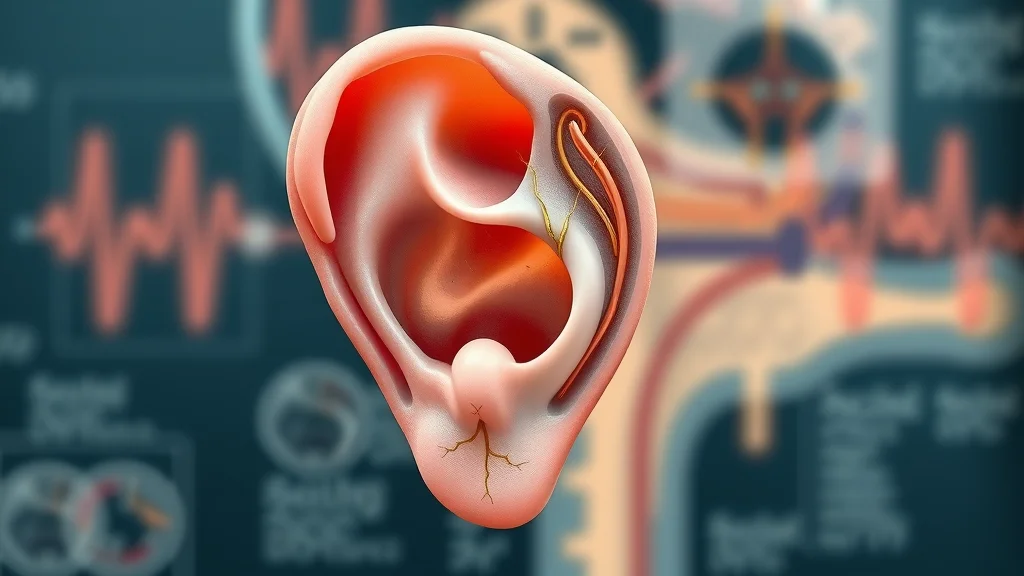
Top Natural Strategies to Improve Hearing Naturally
Ready to take practical steps? Here are the top evidence-backed strategies to improve your hearing naturally, each designed to support your auditory nerve, blood circulation, and the overall health of your auditory system. These strategies focus on the three pillars of hearing health: what you eat, how you train your hearing, and how you live.
Diet, Nutrition, and Vitamins to Improve Your Hearing
The connection between nutrition and hearing health is strong. Your ears—particularly the inner ear’s sensory cells—thrive on a steady supply of certain vitamins and minerals. For example, Vitamin A preserves ear tissue integrity, magnesium can protect against damage from loud noise, and zinc supports hearing function by fighting inflammation. Regularly consuming foods high in these nutrients supports proper auditory function and helps prevent hearing loss as you age.
Incorporating specific foods into your diet, such as carrots, spinach, nuts, seeds, beans, and shellfish, can supply these essential vitamins and minerals. Research shows that antioxidants and omega-3 fatty acids also boost blood flow to the inner ear, ultimately helping to maintain your ability to hear. Prioritizing a balanced diet, rich in fresh produce and healthy fats, is a safe, holistic way to improve hearing naturally and protect your quality of life.
- Vitamins and minerals essential for hearing health
- Foods that may help prevent hearing loss
| Role | Nutrient | Food Source |
|---|---|---|
| Supports ear health | Vitamin A | Carrots, spinach |
| Protects from noise damage | Magnesium | Nuts, seeds |
| Assists in hearing function | Zinc | Shellfish, beans |

Ear Exercises and Auditory Training to Improve Your Hearing
Like any other part of your body, your ears and brain can benefit from regular training. Auditory training helps sharpen your listening skills, making it easier to identify speech and sounds in noisy environments. Simple exercises include closing your eyes and locating a sound source, repeating sequences of numbers or words after you hear them, and practicing focused listening with background noise. Regularly engaging in such exercises strengthens your brain’s ability to process and interpret sounds, giving your auditory system a workout.
Professional aural rehabilitation programs take this further—they provide structured activities tailored to your unique hearing profile and can be especially helpful for those already using a hearing aid or struggling with age-related hearing loss. Even if you don't have significant issues, these practices support auditory nerve vitality and may slow hearing decline. Try incorporating brief listening exercises into your daily routine to start experiencing the benefits of improved auditory function today.
- Exercises for auditory training and aural rehabilitation
- Tips to sharpen hearing skills

Lifestyle Changes: How to Protect and Improve Hearing Naturally
Everyday habits can have a significant impact on your long-term hearing health. Frequent exposure to loud noise—whether at concerts, on busy streets, or through headphones—slowly damages the delicate hair cells in your ears. Wearing protective headphones in noisy environments and turning down personal music devices are simple but powerful ways to prevent hearing loss. Additionally, keeping track of volume levels in your home and workplace and taking time for “quiet breaks” allows your auditory system to recover.
Other lifestyle strategies include maintaining good blood circulation through daily exercise, quitting smoking, and managing chronic health conditions. Each of these affects the small blood vessels that nourish your inner ear. Remember, natural prevention is most effective for avoiding issues before they start, rather than reversing established hearing loss. Consistency is key in adopting these habits, but the payoff is lifelong hearing health and a higher quality of life.
- Avoiding loud noise and improving daily habits
- Natural prevention of hearing loss
“Making small lifestyle adjustments can dramatically improve your hearing and prevent hearing loss over time.”

Avoiding Common Pitfalls: How to Prevent Hearing Loss When Improving Hearing Naturally
While focusing on how to improve hearing naturally, it's easy to overlook common pitfalls that can undermine your efforts. For example, prolonging the use of earphones at high volumes, neglecting regular hearing tests, or misusing hearing aids without guidance from a hearing care professional can accelerate damage rather than prevent it. Staying aware of symptoms—such as difficulty understanding speech, constantly turning up the volume, or experiencing ringing in your ears—can help you catch issues before they become permanent.
Early intervention is crucial. Schedule regular checkups with an audiologist, especially if you notice any changes in your ability to hear. Using hearing aids or assistive devices safely under professional supervision ensures you’re enhancing your hearing, not causing further decline. Most importantly, avoid inserting objects into your ears and treat ear infections promptly to preserve your hearing health for years to come.
- Understanding safe practices with earphones and hearing aids
- Identifying symptoms early through regular hearing tests

Is There a Place for Hearing Aids When Focusing on How to Improve Hearing Naturally?
Hearing aids and other assistive devices play a vital role for many people dealing with moderate to severe hearing loss. While natural methods are invaluable for prevention and early intervention, these devices can make a remarkable difference when hearing challenges are more advanced. Today’s hearing aids are discreet, adaptable, and can greatly enhance your quality of life by amplifying sounds and supporting ongoing auditory training.
Importantly, using a hearing aid when recommended by a hearing specialist does not undermine natural improvement strategies—it complements them. In fact, improving your hearing health naturally can improve your experience with a hearing aid, making it easier to interpret amplified sounds and maintain brain engagement. Regular checkups and device adjustments ensure you always have the support you need as your hearing needs change over time.
Evidence-Based Research: Does Improving Your Hearing Naturally Really Work?
- Recent studies on natural remedies for hearing loss
- Expert opinions on lifestyle changes and auditory training
Research in recent years demonstrates that lifestyle changes, nutrition, and auditory training can slow the decline of age-related hearing loss and sometimes even improve auditory performance, especially for those with mild to moderate difficulties. Clinical trials link magnesium and zinc supplementation to a lower risk of noise-induced damage, and regular aerobic exercise is shown to increase blood flow within the ear, improving hearing outcomes. In children, early auditory training supports neuroplasticity, while older adults experience benefits in speech recognition with consistent practice.
However, it's important to set realistic expectations: while you can improve your hearing and support long-term health, natural approaches are not a cure-all. Experts stress the value of early detection and professional guidance, especially for sudden or severe symptoms. Combining nature-based strategies with medical advice offers the highest potential for maintaining your ability to hear and enjoying the world of sound throughout your life.
“Natural approaches can help slow hearing decline, but always consult an audiologist for persistent issues.”
People Also Ask: Key Questions About How to Improve Hearing Naturally
What causes hearing loss in babies?
Hearing loss in babies can result from genetic factors, complications during pregnancy, premature birth, or infections such as rubella or cytomegalovirus. Sometimes, the cause might be conductive (like a blockage or fluid in the ear), while in other cases, it’s sensorineural due to problems with hair cells or the auditory nerve. Early screening and intervention help ensure the best possible outcomes for a child's hearing health.
What is the whisper test for hearing?
The whisper test is a simple, informal screening where a healthcare professional stands behind the patient and whispers a word or a series of numbers. The patient repeats them back, and if they cannot hear them, it may indicate some level of hearing loss. While not as detailed as a formal hearing test, the whisper test can be a quick way to identify the need for further examination.
Can earwax cause hearing loss?
Yes, a buildup of earwax can cause conductive hearing loss by blocking the ear canal and preventing sound from reaching the eardrum. This type of hearing loss is usually temporary and can be resolved with proper cleaning by a healthcare professional. Avoid using cotton swabs or objects that could push earwax deeper or damage the ear canal.
Which vitamin is good for hearing?
Vitamins A, B12, C, and E, along with magnesium and zinc, are often linked to better hearing health. These nutrients support hair cell function, protect against oxidative stress, and help maintain optimal blood circulation in the ear.
Frequently Asked Questions on How to Improve Hearing Naturally
-
Can you reverse hearing loss naturally?
While some conductive hearing loss (like wax buildup) is reversible, most sensorineural hearing loss is permanent. However, natural approaches can slow decline, improve remaining hearing, and protect your auditory system from further damage. -
How long does it take to improve hearing with natural methods?
It depends on your individual case and the methods used. Dietary, exercise, and lifestyle changes may take several weeks to months to show benefits, while auditory training often shows results with consistent daily practice. -
Are herbal remedies for hearing loss effective?
There is limited scientific evidence for most herbal remedies. Always consult a hearing care professional before trying supplements for hearing health. -
Is auditory training suitable for all ages?
Yes, auditory training can benefit children, adults, and seniors—even those using hearing aids or cochlear implants—by enhancing listening skills and supporting the auditory nerve.
Key Takeaways: How to Improve Hearing Naturally for Lifelong Hearing Health
- Diet, lifestyle, and daily habits play major roles in hearing health.
- Early intervention and regular screening are key to preserving hearing.
- Natural methods are most effective for prevention and mild decline.
Begin Your Journey: Improve Your Hearing Naturally Today
Prioritize your hearing health by adopting these natural strategies today—small steps can make a lifelong difference.
If you’re inspired to take your wellness journey even further, consider exploring holistic approaches that nurture not just your hearing, but your overall vitality as you age. The Senior Health and Wellness, Naturally guide offers a wealth of insights on natural living, preventive care, and age-positive strategies that complement your efforts to protect your hearing. By broadening your focus to include whole-body wellness, you’ll unlock new ways to thrive and enjoy every stage of life with clarity and confidence. Discover how a comprehensive approach to senior health can empower you to live fully and hear the world around you for years to come.





Write A Comment