

Startling Fact: Nearly half of adults in the United States have high blood pressure, but only 1 in 4 has it under control. This critical statistic illustrates just how widespread high blood pressure is—and why finding effective, natural ways to manage it, including through lower blood pressure supplements, could make a significant difference in the lives of millions.
"Nearly half of adults in the United States have high blood pressure, but only 1 in 4 has it under control." — CDC

Startling Facts: Why Lower Blood Pressure Supplements Matter
High blood pressure, or hypertension, often goes unnoticed until it leads to dangerous outcomes—like heart attacks, strokes, and kidney damage. With nearly 120 million Americans affected, lower blood pressure supplements are gaining attention as an accessible solution for those looking to keep their numbers in check naturally.
Lower blood pressure supplements are not magic pills, but when chosen carefully, they can work alongside lifestyle changes and conventional medicine. Studies have shown that certain herbal and mineral supplements—such as magnesium, green tea extract, potassium, and garlic extract—help support healthy blood flow and vessel flexibility. Understanding the science behind these natural solutions empowers consumers to reduce risk factors and take control of their cardiovascular health.
Understanding the Risks of High Blood Pressure
Living with high blood pressure increases your risk for more than just vascular disease. It can silently damage the heart, brain, kidneys, and even eyes by causing blood vessels to work harder against increased resistance. This extra stress weakens vessel walls, setting the stage for heart attacks, strokes, and other serious complications. Data from the United States shows that uncontrolled hypertension contributes to one in every five adult deaths. The need to control high blood pressure early—with lifestyle changes and, when appropriate, lower blood pressure supplements—is urgent for long-term health.
How Supplements Offer Natural Support for High Blood Pressure
Many lower blood pressure supplements work by helping relax blood vessel walls, facilitate better blood flow, or balance important electrolytes such as magnesium and potassium. Unlike prescription medications that often directly alter heart or kidney function, most natural supplements target underlying mechanisms, such as inflammation, oxidative stress, and vessel stiffness. When properly chosen and monitored by a care professional, the right supplement may help achieve a more significant reduction in both systolic and diastolic blood pressure and reduce long-term cardiovascular risk.
For those interested in a holistic approach, it's worth noting that nutrition and overall lifestyle play a crucial role in cardiovascular health. Exploring healthy nutrition and lifestyle strategies for seniors can further complement the benefits of natural blood pressure supplements, especially when combined with regular activity and mindful habits.
What You'll Learn About Lower Blood Pressure Supplements
- What causes high blood pressure and why it matters
- Overview of natural lower blood pressure supplements
- Which supplements are backed by systematic reviews
- Potential side effects and safety concerns
- When to consult a care professional
- Frequently asked questions and expert tips
Understanding High Blood Pressure: A Systematic Review
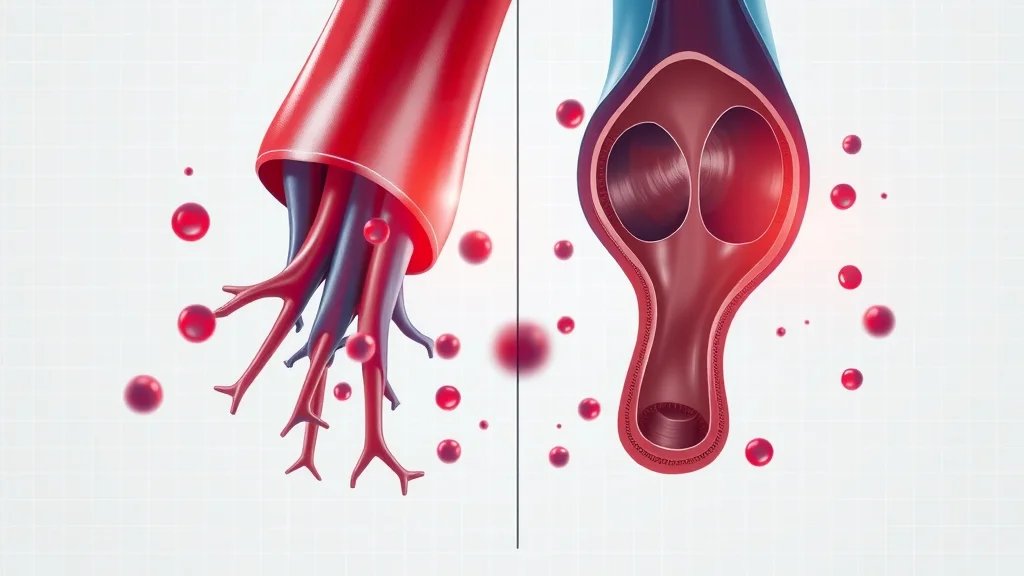
What Is High Blood Pressure?
High blood pressure (hypertension) is defined as a consistent elevation in the force that blood exerts against artery walls—measured as systolic and diastolic blood pressure. The systolic blood pressure is the top number, representing pressure during heartbeats, while diastolic blood pressure (the bottom number) indicates pressure between beats. Over time, excess pressure can damage blood vessels, accelerate vascular disease, and strain the heart. Risk factors such as poor diet, inactivity, genetic predisposition, and high sodium intake can all contribute, but so too can silent factors like stress, kidney issues, or sleep disorders.
Global and United States Prevalence of High Blood Pressure
Hypertension is a global public health crisis. In the United States alone, studies have shown about 47% of adults—over 115 million people—are affected. The World Health Organization estimates that over 1 billion adults worldwide suffer from high blood pressure. Both developed and developing nations are seeing a rise, driven by aging populations, sedentary habits, and poor dietary patterns. Uncontrolled high blood pressure is the leading risk factor for heart disease, stroke, and many other forms of cardiovascular disease. This is why innovating natural solutions such as systematic reviews of dietary supplements becomes increasingly important.
Why Lower Blood Pressure Is Critical for Health
The stakes of poor blood pressure control are high: from heart attacks and strokes to chronic kidney disease and blindness. Epidemiological and randomized controlled trials reveal that modest drops in systolic and diastolic blood pressure can reduce the risk of major cardiovascular events by 20% or more. Even a significant reduction of 5–10 mmHg can provide protective benefits. By combining dietary changes, exercise, and potentially lower blood pressure supplements, individuals may be able to achieve better control—possibly even avoiding the need for higher doses of medication or additional drugs.
"Unchecked high blood pressure is the leading cause of heart disease and stroke worldwide." — American Heart Association
How Lower Blood Pressure Supplements Work
Mechanisms: How Supplements Affect Blood Pressure
Natural supplements use a range of mechanisms to help reduce blood pressure. Some, like magnesium, promote vascular relaxation, easing the tension in blood vessel walls and supporting normal blood flow. Others, like potassium, help balance sodium levels, reducing the volume of fluid the heart needs to pump and therefore decreasing pressure. Plant-based compounds, including green tea polyphenols and garlic extract, support nitric oxide production—a molecule that widens vessels and improves circulation. Research, including systematic reviews and randomized controlled trials, confirm these mechanisms can provide a significant reduction in both systolic and diastolic blood pressures.
Importance of Consulting a Care Professional Before Use
While lower blood pressure supplements are generally well-tolerated, it’s essential to speak to a care professional before starting any new regimen. Some supplements may interact with prescription medications, cause allergic reactions, or exacerbate existing conditions. Your provider can help select products based on your complete health history, recent laboratory values, and potential risk factors such as low potassium levels, kidney disease, or even high doses of other dietary supplements. Prioritizing safety through professional advice leads to consistent, effective results and reduces the risk of serious side effects.
Potential Side Effects of Lower Blood Pressure Supplements
Even natural supplements can come with side effects: magnesium can cause digestive upset or diarrhea; garlic extract may contribute to bad breath or increased bleeding risk; green tea may lead to insomnia or mild stomach pain in some people. Monitoring any new or worsening symptoms is key, and discontinuing use at the first sign of serious side effects—like dizziness, rapid heartbeat, or muscle weakness—can prevent complications. This is especially important for those already taking blood pressure medications, to avoid further drops or dangerous interactions.
Top Lower Blood Pressure Supplements Backed by Research
Green Tea: The Power of Polyphenols to Lower Blood Pressure

Green tea is more than a soothing beverage—it holds potent antioxidants known as polyphenols that support healthy blood pressure. Systematic reviews and controlled trials indicate that regular green tea consumption can improve blood flow and promote vasodilation (widening of blood vessels). Several studies have shown a significant reduction in both systolic and diastolic blood pressures among people who drink 2–3 cups daily, or take standardized green tea extract supplements. For those seeking an approachable dietary supplement with robust evidence, green tea is a leading contender.
Magnesium: Mineral Support for High Blood Pressure
Magnesium plays a crucial role in over 300 enzymatic processes, including those that regulate vascular tone. Systematic reviews and meta-analyses of randomized controlled trials reveal that magnesium supplementation can lead to a significant reduction in systolic and diastolic blood pressure. The mechanism is vascular relaxation through calcium channel modulation in the smooth muscle of blood vessel walls. Many Americans, especially older adults, have insufficient magnesium intake, making it an ideal candidate for supplementation under a care professional’s supervision.
Potassium: Essential Electrolyte to Lower Blood Pressure
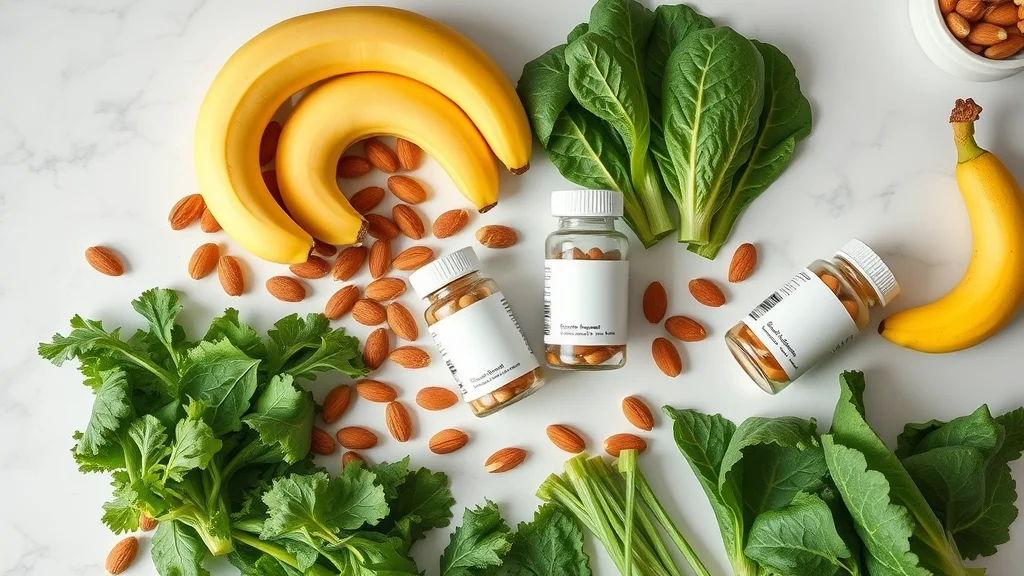
Potassium is an essential electrolyte that helps the body balance sodium and regulate fluid levels. Increasing dietary potassium—through foods or supplements—has been linked to reductions in blood pressure, as confirmed by large systematic reviews and population studies. Since the typical Western diet is often low in potassium-rich fruits and vegetables, targeted supplementation can help counteract sodium's effects. However, high potassium levels (hyperkalemia) can be harmful, particularly in people with kidney problems, so self-supplementation should only be done after consulting a care professional.
Garlic Extract: Natural Compound for High Blood Pressure Help
Garlic contains active compounds like allicin, which research suggests help stimulate nitric oxide production and relax blood vessels. A variety of controlled trials highlight garlic extract’s ability to significantly reduce both systolic and diastolic numbers—sometimes rivaling the efficacy of first-line medications in people with mild to moderate hypertension. Side effects are usually mild (digestive upset or breath odor), but consult a professional first, especially if you take blood-thinners.
Omega-3 Fatty Acids: Heart Health and Lower Blood Pressure
Omega-3 fatty acids, found in fish oil and plant-based supplements, are best known for their anti-inflammatory effects. They support cardiovascular health by improving arterial elasticity and reducing inflammation in vessel walls. Evidence from randomized controlled trials and systematic reviews confirms modest reductions in blood pressure with daily intake, particularly in those with existing cardiovascular disease. Notably, some may experience a fishy aftertaste. Speak with a care professional if you have bleeding disorders or are taking antiplatelet medications.
Coenzyme Q10: Antioxidant Support for Blood Pressure
Coenzyme Q10 (CoQ10) is a naturally occurring antioxidant found in cells. It plays a central role in energy production and cardiovascular health. Controlled studies point to moderate reductions in blood pressure, especially among individuals with metabolic syndrome or heart disease. Typical side effects are mild (digestive discomfort), and CoQ10 is often combined with other dietary supplements to boost overall vascular health.
Additional Herbal Lower Blood Pressure Supplements
- Beetroot extract
- Hibiscus tea
- L-arginine
- Resveratrol
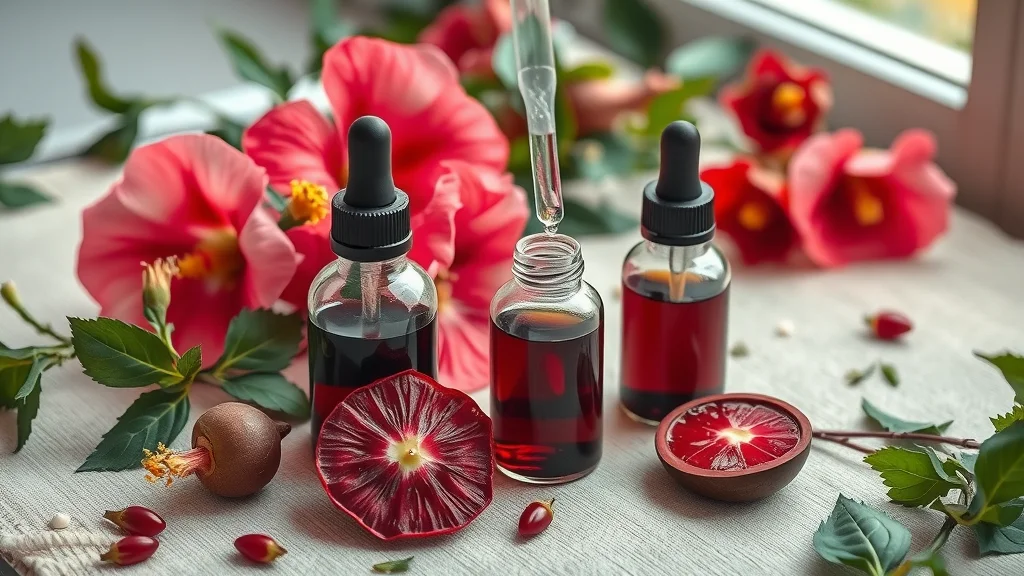
Beyond staples like magnesium and green tea, a number of herbal options have emerged from systematic reviews and meta-analyses. Hibiscus tea, for example, acts as a natural ACE inhibitor and has demonstrated significant reductions in both systolic and diastolic numbers in multiple randomized controlled trials. Beetroot extract, rich in dietary nitrates, enhances nitric oxide production, relaxing vessel walls. L-arginine, an amino acid, and resveratrol, a polyphenol from red grapes, may also provide heart-healthy, blood-pressure-lowering benefits. Each option offers unique advantages and potential side effects—so always review with a care professional.
Comparative Table: Effectiveness of Lower Blood Pressure Supplements
| Supplement | Mechanism | Evidence Strength | Common Side Effects |
|---|---|---|---|
| Green Tea | Vasodilation, antioxidants | Moderate | Insomnia, digestive upset |
| Magnesium | Vascular relaxation | Strong | Diarrhea, GI upset |
| Potassium | Sodium balance | Strong | Hyperkalemia (rare) |
| Garlic Extract | Nitric oxide production | Strong | Bad breath, GI upset |
| Omega-3s | Anti-inflammatory | Moderate | Fishy aftertaste |
| CoQ10 | Antioxidant | Moderate | GI symptoms |
| Hibiscus | ACE inhibition | Moderate | Low blood pressure |
Best Practices for Choosing Lower Blood Pressure Supplements
How to Select Reputable Supplement Brands
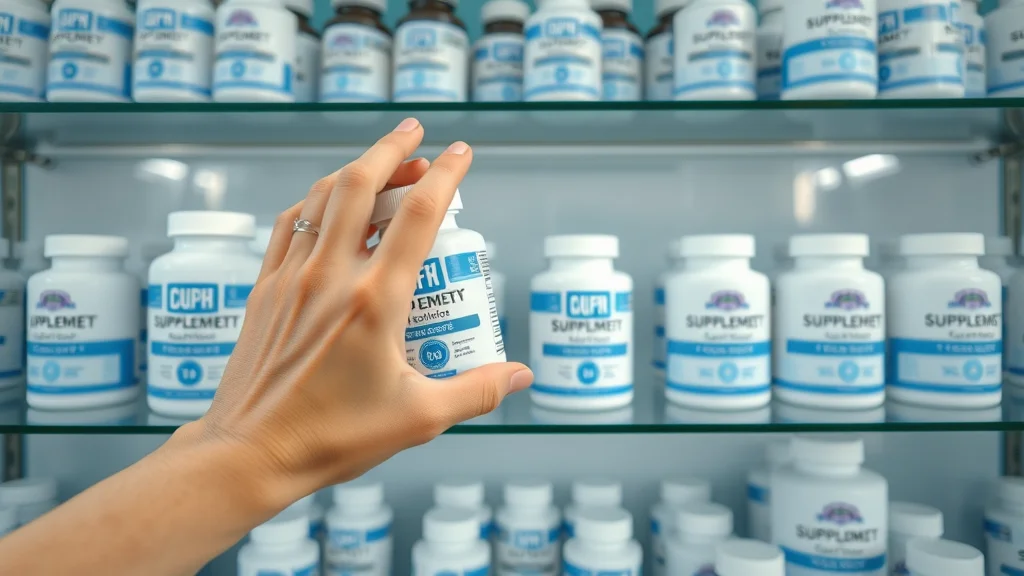
Quality matters just as much as efficacy. When selecting lower blood pressure supplements, look for brands that are third-party certified—such as NSF, USP, or ConsumerLab—ensuring their products meet stringent purity and potency standards. Established brands share transparent labeling, clear dosage instructions, and avoid unsubstantiated health claims. Spot check for tamper-evident lids, check for expiration dates, and read ingredient labels closely to avoid fillers or allergens. Reputable supplements often cost a bit more, but provide much greater confidence in your health investment.
Dosage and Timing for Optimal Lower Blood Pressure Effects
Supplement dosages should always be guided by a care professional, but typical regimens for blood pressure support might include: 200–400 mg of magnesium, 1–2 grams of fish oil (omega-3s), 600–1200 mg of garlic extract, or equivalent serving amounts of green tea extract. Most supplements yield best results over several weeks of continuous use. Consistency and patience are key; avoid doubling doses to see quicker effects, as this can increase risk of side effects or negative interactions. Your provider can also help decide on the optimal timing—often with meals or at specific times of day for the best absorption.
Red Flags and Avoiding Unsafe Products
Red flags for unsafe dietary supplements include vague or exaggerated claims, lack of third-party testing, unclear ingredient lists, or unregistered brands. Beware of products promising instant results or touting “miracle cures” for high blood pressure. Avoid supplements sold from unreliable online marketplaces, or those that discourage consulting a care professional. Stick to trusted retailers and pharmacist recommendations to ensure your supplement supports, rather than undermines, your health.
Lists: Diet and Lifestyle Changes That Complement Lower Blood Pressure Supplements
- Adopt a DASH-Oriented Diet
- Increase Physical Activity
- Manage Stress Effectively
- Limit Sodium and Processed Foods
- Stay Hydrated

Supplements work best with healthy foundations: the DASH (Dietary Approaches to Stop Hypertension) diet focuses on fruits, vegetables, whole grains, and lean proteins to balance potassium levels and reduce sodium intake. Exercise—at least 150 minutes of moderate activity per week—further improves blood flow and strengthens the heart. Mindfulness practices, hydration, and avoiding excess alcohol or processed foods round out the most effective, evidence-based strategies to keep your blood pressure in check for the long haul.
Possible Side Effects and Interactions of Lower Blood Pressure Supplements
Recognition and Management of Side Effects

Monitoring for common side effects—such as stomach upset, headaches, changes in energy, or digestive changes—can help spot problems early. If you notice sudden muscle cramps, dizziness, heart palpitations, or breathing changes after starting a supplement, discontinue use and consult your care professional right away. Document any changes, and inform all care providers so that your health team can help manage risk and modify other medications if needed.
Interactions with High Blood Pressure Medications
Many lower blood pressure supplements can interact with prescription medications, intensifying their effects or triggering adverse reactions. For example, potassium supplements may raise potassium too high in those taking ACE inhibitors or certain diuretics, while garlic and omega-3s can increase bleeding with blood thinners. Always provide a complete medication list to your provider before starting a new supplement, and review new research or systematic reviews for updated safety information.
When to Consult a Care Professional About Lower Blood Pressure Supplements
Situations Requiring Medical Advice

Always consult a care professional if you are pregnant, breastfeeding, have kidney disease, are under 18 or over 65 years old, or if you experience sudden changes in blood pressure or new symptoms. If you are already taking multiple medications or have a history of allergic reactions to supplements or foods, medical supervision is essential. Prioritize safety and individualized guidance for the most effective and safest approach.
Special Considerations for the United States Healthcare System
The United States has a unique regulatory framework for dietary supplements—they are not FDA-approved for treating disease and quality can vary widely. Health insurance often does not cover supplements, making cost a factor in ongoing management. Work with a provider familiar with the U.S. healthcare system to ensure you choose supplements that are both safe and effective, and to integrate them with your broader medical care plan.
Watch as experts show how blood pressure supplements are scientifically developed and clinically tested for both safety and effectiveness, with clear graphics explaining the research process.
People Also Ask: Lower Blood Pressure Supplements
What is the best supplement to lower blood pressure?
Answer: The best supplement to lower blood pressure may include magnesium, potassium, garlic extract, or omega-3 fatty acids, each supported by various clinical studies and systematic reviews. The most appropriate choice depends on individual health status and should be discussed with a care professional.
What's the best supplement for low blood pressure?
Answer: For low blood pressure, supplements are not typically recommended. Instead, consult a care professional for tailored advice, as increasing salt or specific medications might be necessary. Self-medicating with supplements designed to lower blood pressure can be dangerous.
FAQs: Lower Blood Pressure Supplements
Are lower blood pressure supplements safe for everyone?
Lower blood pressure supplements are generally safe for most healthy adults, but not for everyone. Risks increase for those with certain medical conditions, allergies, or those taking prescription medications. Children, pregnant women, and people with kidney or liver disease should avoid these supplements unless specifically advised by a care professional.
How long does it take for lower blood pressure supplements to show effects?
Most research and systematic review data suggest that supplements may begin reducing blood pressure after several weeks of continuous use. Results vary based on the supplement, dose, and individual response. Combine supplements with diet and lifestyle changes for more significant and lasting benefits. Always monitor blood pressure regularly and keep your provider informed.
Can lower blood pressure supplements replace prescription medications?
Lower blood pressure supplements are rarely a substitute for prescription medications, especially in people with moderate to severe hypertension or high cardiovascular risk. However, they may complement medical therapy as part of a holistic plan. Always consult your provider before changing or discontinuing any medication.
Do lower blood pressure supplements interact with other supplements or foods?
Yes, many supplements interact with each other and with certain foods. For example, high doses of magnesium and potassium together may cause digestive upset or change heart rhythm; garlic can interact with blood thinners and omega-3s. Review your full supplement and dietary regimen with a care professional to minimize risks.
Key Takeaways: Managing High Blood Pressure with Supplements
- Lower blood pressure supplements can be effective with lifestyle adjustments
- Always consult a care professional before starting supplementation
- Look for products with evidence from systematic reviews
- Monitor for side effects and interactions
Listen to real people share their success stories with natural supplements for high blood pressure and the important role of professional guidance on their journeys.
Conclusion: Are Lower Blood Pressure Supplements Right for You?
With the right approach and professional support, lower blood pressure supplements can be a valuable part of your health strategy. Consult a care professional to create a plan that’s safe, effective, and tailored just for you.
As you continue your journey toward optimal heart health, remember that wellness is a multifaceted pursuit. Beyond supplements and nutrition, exploring innovative approaches—such as the positive impact of nature on mental and physical well-being—can further enhance your results. If you're curious about how spending time outdoors and embracing nature prescriptions can support your overall health, discover more in our guide on nature prescriptions for mental health and wellness. Taking the next step to broaden your wellness toolkit could be the key to a more balanced, vibrant life.
Achieve Healthier Blood Pressure—Try a Natural Supplement Today
"Your journey to a healthier heart can start today—with the right guidance and the best lower blood pressure supplements."
Learn more and see if a proven natural solution is right for you.
Sources
- CDC – High Blood Pressure Facts – https://www.cdc.gov/bloodpressure/facts.htm
- American Heart Association – High Blood Pressure – https://www.heart.org/en/health-topics/high-blood-pressure
- Systematic Review of Herbal Supplements for Blood Pressure – https://www.ncbi.nlm.nih.gov/pmc/articles/PMC7570609/
- NIH Office of Dietary Supplements – Magnesium – https://ods.od.nih.gov/factsheets/Magnesium-Consumer/
- Randomized Controlled Trials on Green Tea and Hypertension – https://www.ncbi.nlm.nih.gov/pmc/articles/PMC5470807/





Write A Comment